Real Estate Photography Pricing in 2026: What to Charge and What to Expect
Real estate photography pricing in 2026: rates by region, pricing models, packages, AI editing costs and negotiation tips for photographers and agents.
Real estate photography pricing is one of the most searched and least clearly answered questions in the industry. Photographers wonder what to charge. Agents wonder what to pay. Both sides are dealing with a market that has shifted significantly in recent years as AI tools, smartphone cameras, and remote editing services have all reshaped the economics of property photography.
This guide provides concrete numbers based on current market data, breaks down the most common pricing models, and offers practical advice for both photographers setting their rates and agents evaluating what they should spend. Whether you are a photographer building your first rate card or an agent comparing quotes, this is the pricing reference you need for 2026.
We will also look at how AI editing tools like Twilight are changing the cost structure of post-processing, which has historically been one of the biggest hidden expenses in real estate photography.
Current Market Rates by Region
Real estate photography pricing varies significantly by geography. Cost of living, market competitiveness, average home prices, and the density of photographers all influence local rates. Here is what the market looks like across major US regions in 2026.
Photography Pricing by US Region
| Region | Small Home (Under 2,000 sq ft) | Mid-Size Home (2,000-4,000 sq ft) | Large/Luxury Home (4,000+ sq ft) | Twilight Add-On |
|---|---|---|---|---|
| Northeast (NYC, Boston, DC metro) | $200-350 | $350-550 | $500-900+ | $150-300 |
| Southeast (Atlanta, Miami, Charlotte) | $150-275 | $275-425 | $400-700 | $100-250 |
| Midwest (Chicago, Minneapolis, Detroit) | $125-250 | $225-375 | $350-600 | $100-200 |
| Southwest (Phoenix, Dallas, Denver) | $150-300 | $300-475 | $450-750 | $125-250 |
| West Coast (LA, SF, Seattle) | $250-400 | $400-650 | $600-1,200+ | $175-350 |
| Rural/Small Markets | $100-200 | $175-300 | $250-450 | $75-150 |
These ranges represent the middle 60% of the market. You will find photographers charging below and above these numbers, but these brackets cover what most working professionals charge and most agents pay.
Market Rate Reality Check
If you are a photographer pricing below the bottom of the range for your region, you are likely undercharging and leaving money on the table. If you are an agent getting quotes significantly above the top of the range, you are either in a premium sub-market or being overcharged. Use these ranges as benchmarks, not absolute rules.
Factors That Push Pricing Higher
Several factors justify above-average pricing:
- Luxury market focus. Homes above $1M typically require more time, more shots, and more post-processing attention. Photographers specializing in luxury can and should charge premium rates.
- Fast turnaround guarantees. Same-day or next-morning delivery commands a premium because it requires the photographer to prioritize your job over others.
- Specialized deliverables. Drone photography, 3D tours (Matterport), floor plans, and video walkthroughs all add value and justify higher packages.
- High cost of living areas. A photographer in San Francisco has significantly higher operating costs than one in rural Iowa. Pricing reflects this reality.
Factors That Push Pricing Lower
- High volume commitment. Agents who guarantee a minimum number of shoots per month often negotiate discounted rates. This is the single most effective negotiation lever.
- AI-assisted editing. Photographers who use AI tools for post-processing spend less time editing, which allows them to lower prices while maintaining margins.
- New market entrants. Newer photographers often price aggressively to build a portfolio. Lower price does not always mean lower quality, but be cautious about consistency and reliability.
Pricing Models Explained
Real estate photographers use several different pricing structures. Understanding these models helps you choose or build the right one for your business or budget.
Per-Property Pricing
The most common model. The photographer charges a flat rate per property based on home size or number of photos delivered.
How it works: "Small homes (under 2,000 sq ft): $200 for 25 photos. Mid-size homes: $350 for 35 photos. Large homes: $500 for 50 photos."
Pros: Simple for agents to understand and budget. Clear expectations on deliverables.
Cons: Does not account for travel time to distant properties. A 45-minute drive to a rural listing eats significantly into margin compared to a listing five minutes away.
Best for: Most residential real estate work. This is the industry standard for a reason: it is straightforward and scalable.
Per-Image Pricing
The photographer charges a fixed rate for each delivered image. Less common for on-site shooting but standard for editing-only services.
How it works: "$10-25 per delivered, edited photo. Minimum order of 15 images."
Pros: Agents only pay for exactly what they need. Easy to scale up for large properties or scale down for small ones.
Cons: Can incentivize photographers to pad deliverables with unnecessary shots, or incentivize agents to request too few images to save money.
Best for: Commercial real estate, large properties with variable needs, and editing-only services.
Try it free
Transform your first property photo in seconds, no account needed.
Subscription/Retainer Pricing
A monthly or quarterly agreement where the photographer provides a set number of shoots or images for a fixed recurring fee.
How it works: "4 shoots per month, up to 30 photos each, $800/month. Additional shoots at $175 each."
Pros: Predictable income for the photographer. Cost savings for the agent. Guaranteed availability.
Cons: Less flexibility. The agent pays even in slow months. The photographer commits capacity even when demand spikes.
Best for: High-volume agents, teams, and brokerages with consistent listing flow. This model works best when both parties can commit to a reliable volume.
Package/Tier Pricing
The photographer offers bundled packages that combine photography with additional services at increasing price points.
How it works:
- Basic ($250): 25 HDR photos, delivered next day
- Standard ($400): 35 HDR photos + drone aerials, delivered same day
- Premium ($650): 50 HDR photos + drone + twilight + video walkthrough
Pros: Encourages agents to upgrade. Clear value at each tier. Easy to present and sell.
Cons: Packages may not fit every situation perfectly. Some agents only want the premium photo count without the video.
Best for: Photographers who want to increase their average transaction value and offer a polished, professional menu of services.
What Is Included at Each Price Point
When evaluating photography quotes, what is included matters as much as the headline price. Here is what you should expect at different investment levels.
Budget Tier ($100-200 per property)
- 15-25 photos
- Basic HDR processing
- Delivered within 24-48 hours
- Limited or no revisions
- No drone, video, or twilight
- May be a newer photographer building a portfolio
Professional Tier ($200-400 per property)
- 25-35 photos
- Full HDR with manual editing attention
- Same-day or next-day delivery
- 1-2 revision rounds included
- Drone photography often included or available as add-on
- Consistent quality from an experienced professional
Premium Tier ($400-700+ per property)
- 35-50+ photos
- Advanced editing with style consistency
- Same-day delivery standard
- Multiple revision rounds
- Drone photography included
- Twilight/dusk photography included or available
- Video walkthrough available
- Floor plans available
- Dedicated account management for high-volume clients
Pricing Tip for Photographers
When building your rate card, price your middle tier to be your most profitable offering. Most agents will gravitate toward the middle option. Make the basic tier viable but deliberately limited, and make the premium tier genuinely premium. The middle tier should be where you want 60-70% of your business to land.
How AI Is Reshaping Editing Costs
Post-processing has historically accounted for 30-50% of the total time a photographer spends on a listing. A typical 30-photo shoot might take 1-2 hours to capture on site and another 1-3 hours to edit in Lightroom or Photoshop. AI tools are compressing that editing time dramatically, and the cost implications are significant for both photographers and agents.
The Traditional Editing Cost Breakdown
For a photographer editing manually:
- Time per photo: 5-15 minutes for standard edits, 15-30 minutes for advanced work (twilight conversion, complex HDR blending)
- Cost per photo (based on photographer time at $75/hr): $6-19 per image
- Total editing cost for 30 photos: $180-375 in time
- Outsourced editing alternative: $2-15 per photo, or $60-450 for 30 images
The AI Editing Cost Breakdown
With AI-powered tools like Twilight:
- Time per photo: About 30 seconds of processing, plus upload and review
- Cost per photo: about $0.33 to $1.20 at 1K, depending on plan or pack (4K costs four times as much)
- Total editing cost for 30 photos: about $10-36 in credits at 1K, plus 15-30 minutes of review time
- Time saved per listing: 1-3 hours
Twilight prices as of October 2026. See pricing for current prices.
What This Means for Pricing
For photographers, AI editing creates a choice: lower your prices (because your costs dropped) or maintain your prices (and pocket the increased margin). The market is trending toward a middle ground: photographers who adopt AI editing can offer faster turnaround and slightly lower rates while actually improving their per-hour earnings.
For agents, AI editing opens the door to handling basic post-processing themselves. With tools like Twilight, an agent with no editing experience can upload listing photos and receive professionally enhanced results in minutes. This does not replace the need for a skilled photographer on site, but it changes the calculus of what you are paying for when you hire one.
For a comprehensive look at AI editing capabilities, see our guide on how to edit real estate photos with AI.
DIY vs Professional vs AI Editing: Cost Comparison
One of the most practical decisions agents face is how to handle their listing photography. Here is a head-to-head comparison of the three main approaches.
Full Cost Comparison (Per Listing, 25-30 Photos)
| Factor | DIY Smartphone | Professional Photographer | Pro Photographer + AI Editing | DIY Camera + AI Editing |
|---|---|---|---|---|
| Equipment Cost | $0 (phone you own) | $0 (photographer's gear) | $0 (photographer's gear) | $500-2,000 (one-time) |
| Shoot Cost | $0 (your time) | $200-500 | $200-500 | $0 (your time) |
| Editing Cost | $0-30 (basic apps) | Included in shoot price | $8-36 (AI credits at 1K) | $8-36 (AI credits at 1K) |
| Your Time | 1-2 hours shooting + editing | 15 min (meet photographer) | 15 min (meet photographer) | 1-2 hours shooting, 30 min editing |
| Total Cash Cost | $0-30 | $200-500 | $208-536 | $8-36 per listing |
| Quality | Variable, often poor | Consistently professional | Professional+ (faster delivery) | Good to very good |
| Turnaround | Immediate (but low quality) | 12-48 hours | 2-6 hours | Same day |
| Best For | Rentals under $150K | Most listings | Agents wanting fast turnaround | Budget-conscious high-volume agents |
Twilight prices as of October 2026. See pricing for current prices.
The Hidden Costs of DIY
The "free" DIY approach has significant hidden costs that agents often overlook:
- Time. If you earn $100K annually from commissions and spend 2 hours per listing on photos, that time has an opportunity cost. Ten listings per month means 20 hours, time that could be spent prospecting, showing properties, or negotiating deals.
- Quality impact. Poor listing photos result in fewer clicks, fewer showings, and longer days on market. Research consistently shows that professionally photographed homes sell faster and for more money.
- Learning curve. Getting good at real estate photography takes months of practice. Your first 20-30 shoots will not match what a professional delivers on their first visit.
View pricing
Credit packs from $12, plans from $29 a month.
Building Profitable Photography Packages
For photographers building or revising their pricing, here are practical guidelines for creating packages that are both competitive and profitable.
Calculate Your Costs First
Before setting prices, know your actual costs per shoot:
- Equipment depreciation. Camera bodies, lenses, drones, tripods, and lighting all have a useful life. Divide the replacement cost by the number of shoots you expect to complete before replacing each item.
- Software subscriptions. Lightroom, Photoshop, drone apps, delivery platforms, AI editing tools.
- Travel. Gas, vehicle wear, and the time cost of driving to and from each location.
- Insurance. General liability and equipment insurance.
- Editing time. Even with AI tools, you will spend some time on quality review and client communications.
- Business overhead. Website, marketing, accounting, phone, internet.
A typical full-time real estate photographer has $2,000-4,000 in monthly fixed costs before shooting a single property.
Target Income Backward Planning
Work backward from your income goal:
- Annual income target: e.g., $80,000
- Add business costs: e.g., $36,000/year
- Total revenue needed: $116,000
- Working weeks per year: 48 (accounting for vacation and slow periods)
- Revenue per week: ~$2,400
- Shoots per week at your target rate: If your average package is $350, you need ~7 shoots per week
This math helps you set prices that actually support the business and lifestyle you want, rather than just matching what competitors charge.
Profitable Add-Ons
Add-on services can significantly increase your average transaction value without requiring proportional additional effort:
- Drone/aerial photography: $75-150 add-on, 15-20 minutes of additional time
- Twilight/dusk photos: $100-250 add-on (or free with AI twilight conversion)
- Video walkthrough: $150-300 add-on
- 3D/Matterport tour: $150-300 add-on
- Floor plans: $75-150 add-on
- Rush delivery (same-day): $50-100 surcharge
- Additional photos beyond package: $5-15 per image
Negotiating With Agents: A Guide for Both Sides
The agent-photographer relationship works best when both parties feel the arrangement is fair. Here are negotiation strategies for each side.
For Photographers
Do offer volume discounts. An agent who commits to 5+ shoots per month is worth a 10-15% discount because they reduce your marketing and acquisition costs.
Do not race to the bottom on price. Competing purely on price attracts clients who will leave the moment someone quotes $10 less. Compete on quality, reliability, turnaround speed, and ease of working together.
Do create clear packages. Agents hate surprises. A transparent rate card with clearly defined deliverables at each tier builds trust and makes the booking process simple.
Do offer a trial shoot. Confidence in your work is the best sales tool. Offer a discounted or free first shoot so the agent can evaluate your quality without risk.
For Agents
Do value consistency. The cheapest photographer who delivers inconsistent quality costs you more in the long run than a slightly more expensive one who nails it every time.
Do not ask for free work. Photographers have bills. Asking for free shoots, free additional photos, or unpaid revisions damages the relationship and ultimately reduces the quality of work you receive.
Do commit to volume if you can. If you list 8 properties per month, telling a photographer that upfront gives you significant leverage on pricing. A guaranteed 8 shoots per month is worth more to a photographer than 8 individual bookings.
Do provide timely access. Photographers lose money when they arrive at a property and it is not ready: lights are off, blinds are closed, the homeowner is still home. Preparing the property before the photographer arrives respects their time and improves your results.
The ROI of Professional Photography
For agents deciding how much to invest in listing photography, the return-on-investment data is compelling.
Studies consistently show that professionally photographed homes:
- Sell 32% faster on average than homes with amateur photos
- Sell for 1-5% more than comparable homes with lower-quality photos
- Receive 118% more online views in the first week of listing
On a $400,000 home, even a 1% price premium translates to $4,000, far more than the cost of professional photography. The ROI of professional photos for short-term rentals is even more pronounced, where photo quality directly impacts booking rates and nightly pricing.
Where Pricing Is Headed
Several trends are shaping the future of real estate photography pricing:
AI Compression
AI tools are compressing the editing portion of the photography cost structure. As editing becomes faster and cheaper, the premium shifts toward the on-site shooting skill: composition, lighting, staging expertise, and client management. Photographers who invest in their shooting skills will maintain pricing power even as editing commoditizes.
Bundled Services
The market is moving toward bundled offerings that combine photography, video, drone, 3D tours, and floor plans into comprehensive packages. Agents increasingly want one vendor for all visual marketing rather than coordinating multiple providers.
Subscription Models
Monthly subscription models are growing, particularly through platforms that combine AI editing with photographer networks. These models offer predictability for both sides and are particularly attractive to teams and brokerages.
Quality Floor Rising
As AI makes professional-quality editing accessible to everyone, the minimum acceptable quality for listing photos rises. This is good for the industry: buyers see better photos, agents get better marketing materials, and photographers who invest in their craft are rewarded.
For a detailed comparison of the software options available for editing, see our best real estate photo editing software in 2026 guide.
Bottom Line
Real estate photography pricing in 2026 is more transparent and accessible than ever. Professional photography is not a luxury. It is a baseline marketing investment that pays for itself many times over. For photographers, the key to sustainable pricing is understanding your costs, communicating your value, and embracing AI tools that make your workflow more efficient. For agents, the key is recognizing that the cheapest option is rarely the best value, and that investing in consistent, professional listing photos is one of the highest-ROI marketing decisions you can make.
Get started free
Create your free account and get 5 credits to start editing.
Related Articles
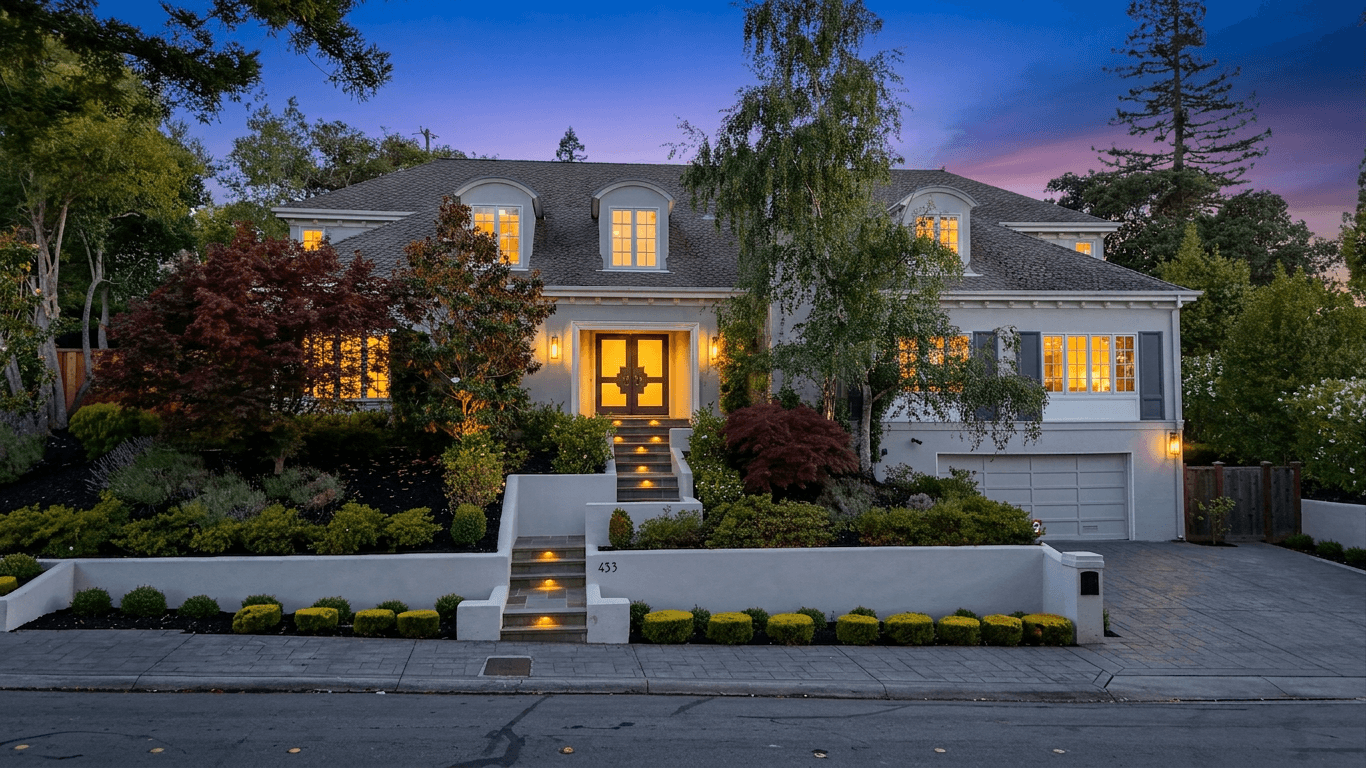
Real Estate Photo Editing Ethics: What's Allowed and What Crosses the Line
The ethics of real estate photo editing: NAR guidelines, state disclosure rules, sky replacement, virtual staging, and a framework for keeping buyer trust.
12 Airbnb Photo Mistakes That Are Killing Your Bookings (And How to Fix Them)
Are your Airbnb photos costing you bookings? These 12 common photography mistakes are easy to make and even easier to fix.
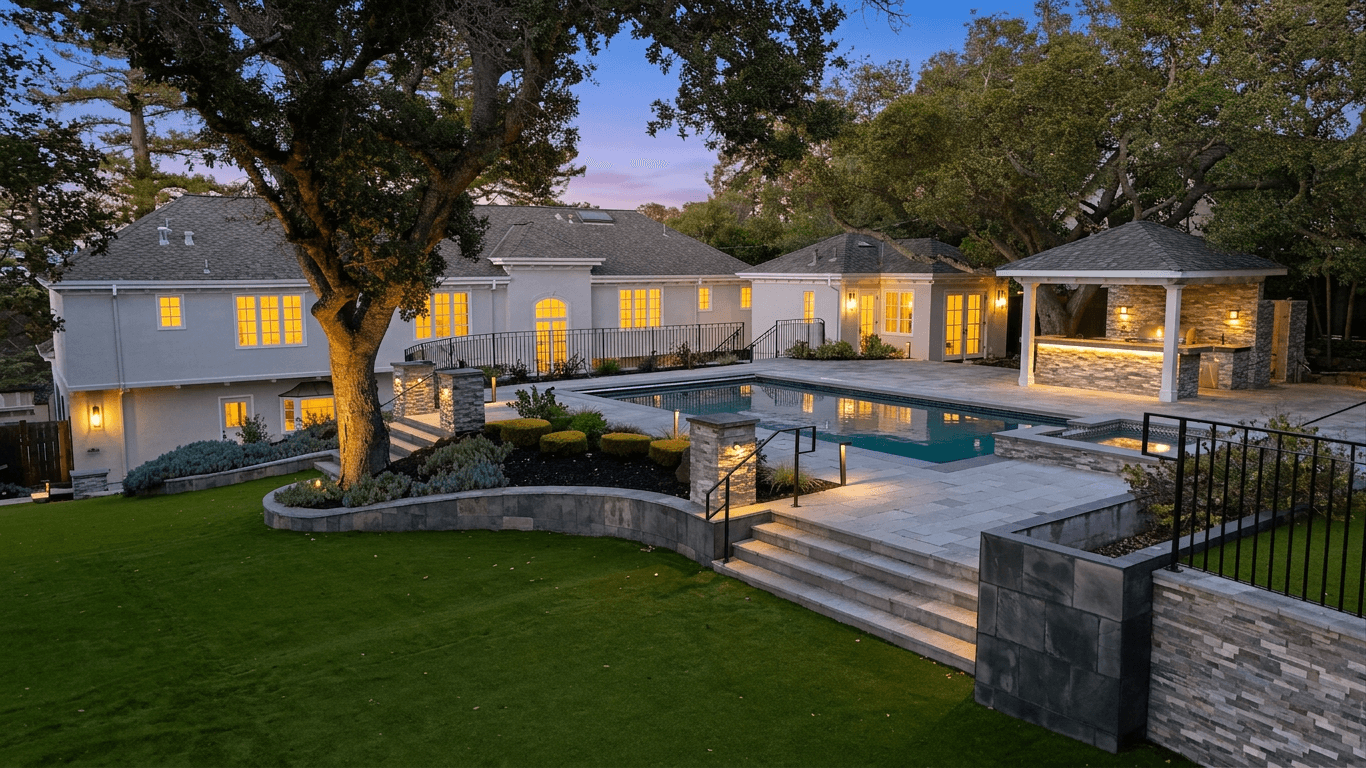
Real Estate Photo Editing Before and After: 10 Stunning Transformations
10 AI real estate photo edits, before and after: twilight conversion, sky replacement, HDR enhancement, virtual staging and more.