Luxury Real Estate Photography: How to Shoot and Edit High-End Listings
Luxury real estate photography techniques: detail shots, twilight exteriors, architectural features, lifestyle staging and premium editing workflows.
Luxury real estate photography operates on a different level than standard listing photography. When a property is listed at $2 million, $5 million, or $20 million, the marketing materials need to match the caliber of the home. Buyers at this level are accustomed to high-end visual presentation in every aspect of their lives, and listing photos that look ordinary will be dismissed without a second glance.
The difference between good real estate photography and luxury real estate photography is not just about owning better equipment. It is about understanding how to communicate exclusivity, craftsmanship, and lifestyle through images. Every composition choice, every lighting decision, and every edit needs to serve the narrative that this property is exceptional.
This guide covers the techniques, mindset, and workflow that separate standard real estate photography from the premium tier that luxury listings demand. Whether you are moving upmarket as a photographer or you are an agent looking to understand what to expect from a luxury photo shoot, these principles will elevate your approach.
The Luxury Mindset: Selling a Lifestyle
Standard real estate photography sells a floor plan. Luxury real estate photography sells a lifestyle. This fundamental difference shapes every decision you make during the shoot.
What Luxury Buyers Actually Look At
Luxury buyers study photos differently than typical buyers. Research from luxury real estate firms consistently shows that high-end buyers:
- Examine details closely. They zoom in on countertop materials, fixture brands, hardware finishes, and woodwork quality. They can often identify materials and brands from a photograph alone.
- Assess the quality of light. Luxury buyers notice how natural light moves through a space. They look for sun exposure, window placement, and how light interacts with surfaces.
- Evaluate outdoor living spaces. At the luxury level, outdoor areas -- pools, terraces, gardens, outdoor kitchens -- are as important as interior rooms. These spaces need the same photographic attention as the master suite.
- Look for uniqueness. Luxury properties are valued for their distinctive features. A wine cellar, a home theater, a private gym, or a rooftop terrace needs to be showcased prominently.
Communicating Exclusivity Through Photography
Several techniques help communicate that a property is premium:
- Wider tonal range. Luxury photos often feature deeper shadows and richer highlights than standard bright-and-airy real estate photography. This creates a more dramatic, magazine-quality feel.
- Selective focus. Using shallow depth of field on detail shots draws attention to premium materials and finishes.
- Deliberate negative space. Luxury properties often have generous proportions. Allowing some negative space in compositions communicates that spaciousness rather than trying to fill the frame.
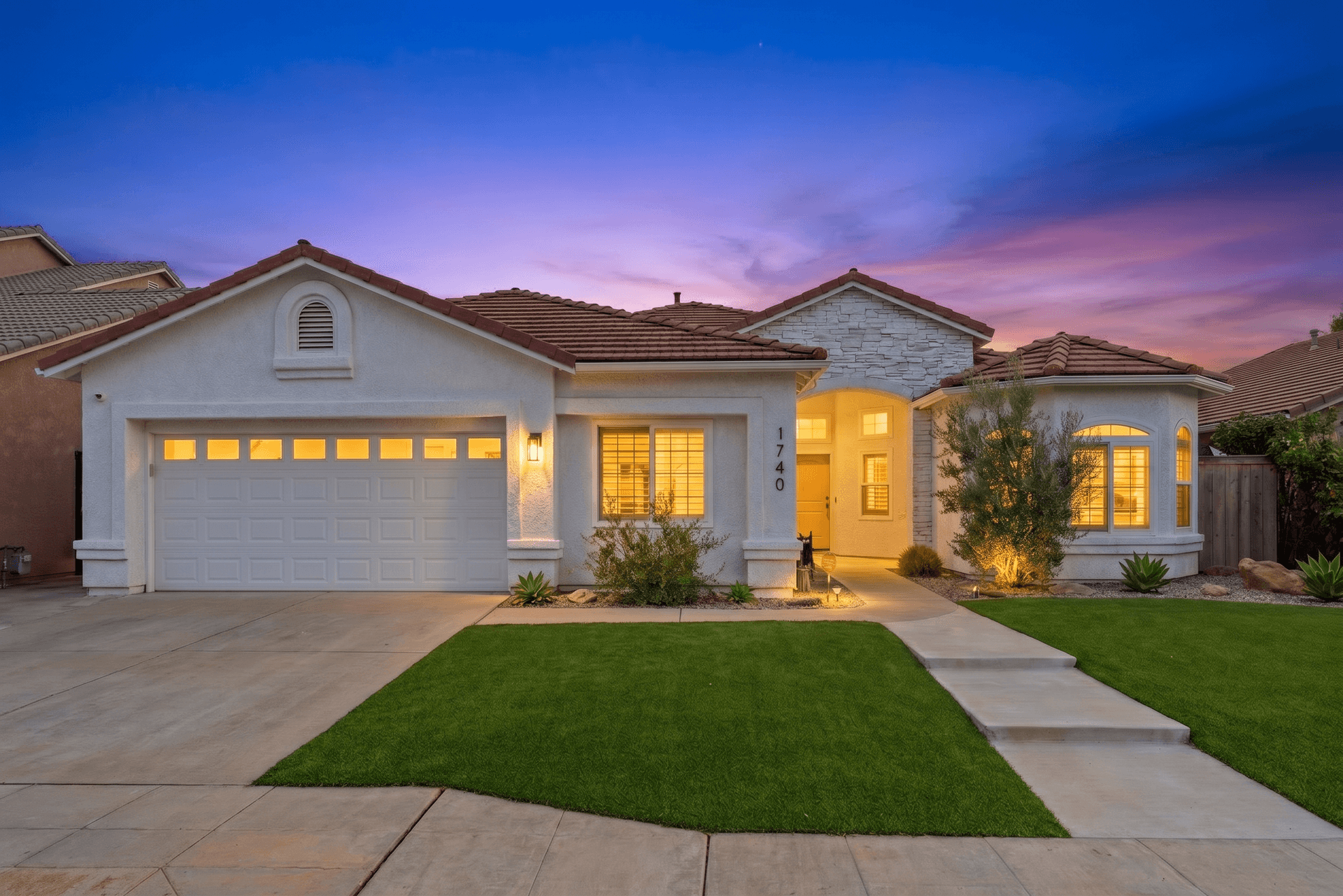
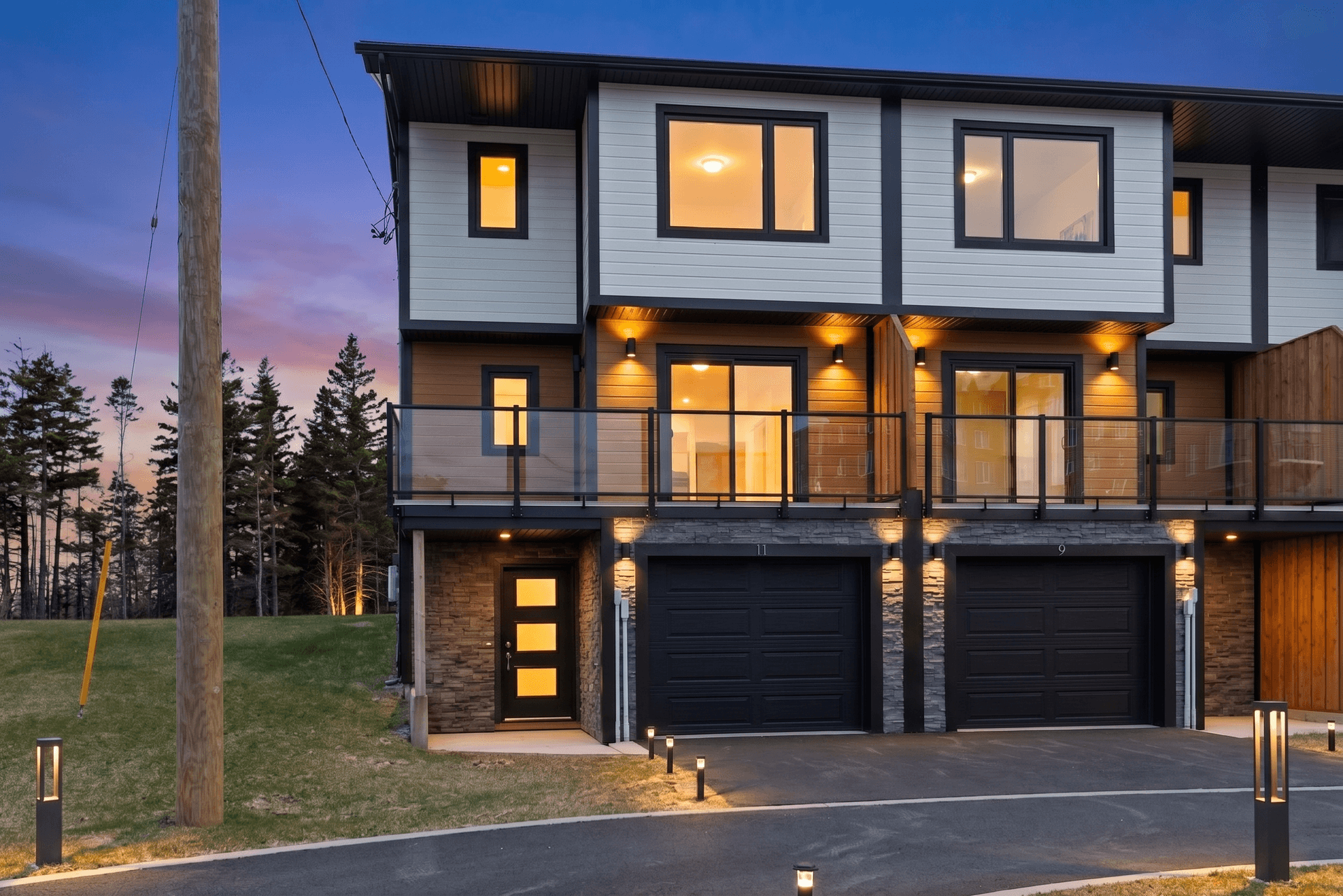
- Twilight and blue hour exteriors. Nothing says luxury quite like a home photographed at twilight, with warm interior lights glowing against a deep blue sky.
Capturing Architectural Details
Luxury homes are defined by their architectural details. Standard listing photography captures rooms; luxury listing photography captures craftsmanship.
The Detail Shot Approach
Plan to spend 30-40% of your shoot time on detail and vignette shots. These are the images that set luxury listings apart on portals and social media. Key details to capture include:
- Custom millwork -- Crown molding, wainscoting, built-in cabinetry, coffered ceilings. Photograph these with light raking across the surface to reveal depth and shadow.
- Hardware and fixtures -- High-end door handles, cabinet pulls, faucets, and light fixtures. Shoot these at close range with shallow depth of field.
- Material textures -- Marble countertops, hardwood grain, natural stone, premium tile. Get close enough that the viewer can almost feel the surface.
- Architectural transitions -- How the ceiling meets the wall, how the staircase turns, how different flooring materials transition. These details reveal the quality of construction.
- Custom features -- Built-in wine storage, specialty lighting systems, home automation panels, designer range hoods. These are selling points that deserve their own images.
The Magazine Test
For every detail shot, ask yourself: would this image look at home in Architectural Digest or Dwell magazine? If the answer is no, adjust your angle, lighting, or composition until it does. Luxury real estate photography borrows heavily from architectural and interior design publication standards. Study those publications to calibrate your eye for what constitutes a premium image.
Shooting Large Spaces Without Losing Scale
One of the most common mistakes in luxury photography is making large rooms look smaller than they are. Wide-angle lenses are essential for real estate work, but in luxury homes, going too wide can actually undermine the sense of scale.
Techniques for preserving the grandeur of large spaces:
- Use a moderate wide angle (16-24mm on full frame) rather than an ultra-wide. The slight perspective compression of a 20-24mm lens often represents large rooms more accurately than a 12-14mm.
- Include human-scale reference points. Furniture, doorways, and standard fixtures give the viewer unconscious scale references. A 12-foot ceiling is impressive, but only if the viewer can judge it against something familiar.
- Shoot from standing height. Luxury rooms often have tall ceilings, and shooting from a standard tripod height (about 5 feet) includes enough ceiling to communicate height without distorting vertical lines.
- Compose with leading lines. Use architectural lines -- hallways, ceiling beams, floor patterns -- to draw the eye through the space and communicate depth.
Twilight and Blue Hour Exteriors
If there is one technique that defines luxury real estate photography, it is the twilight exterior. The warm glow of a home's interior lights against a deep blue evening sky creates an emotional response that no daytime photo can match.
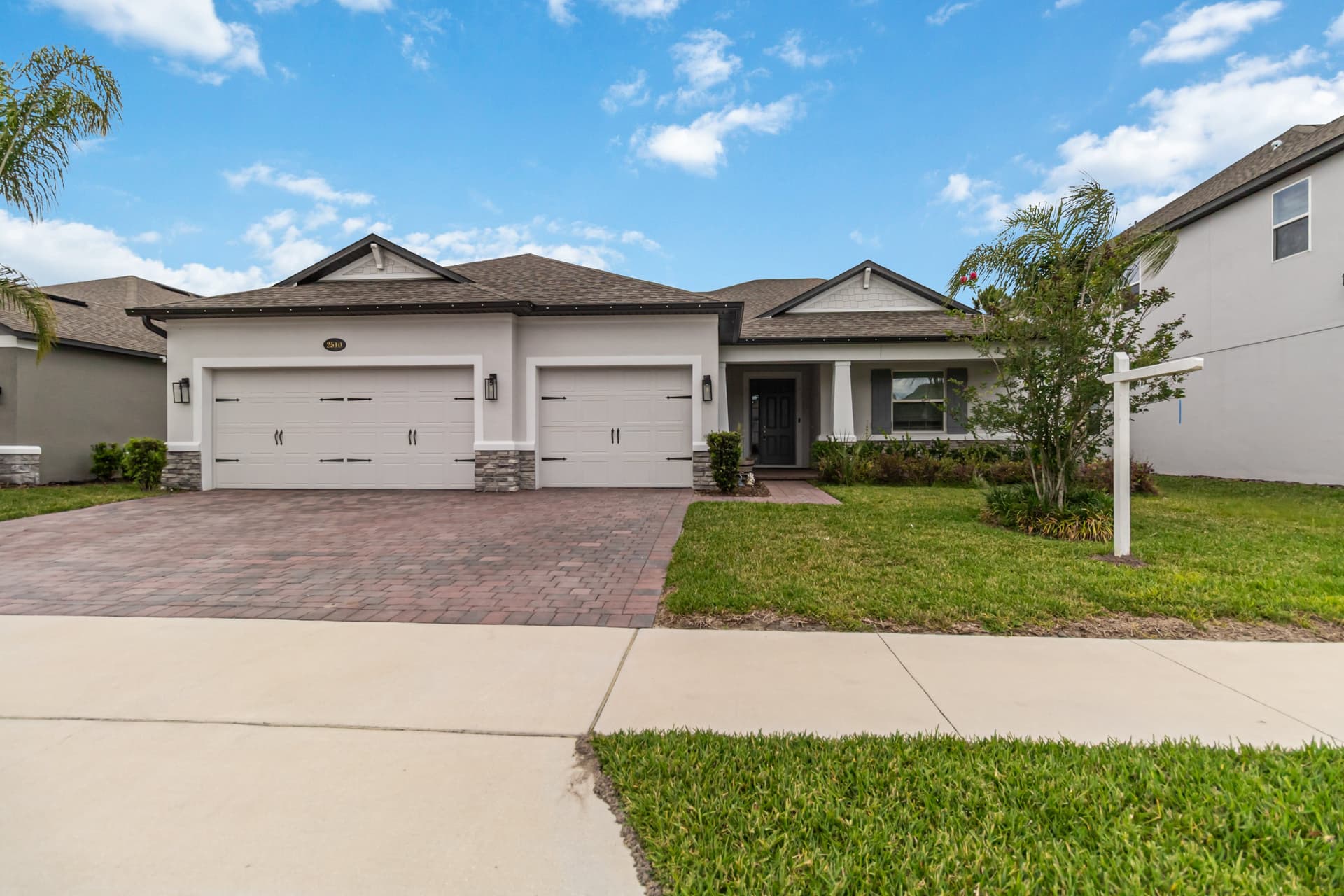
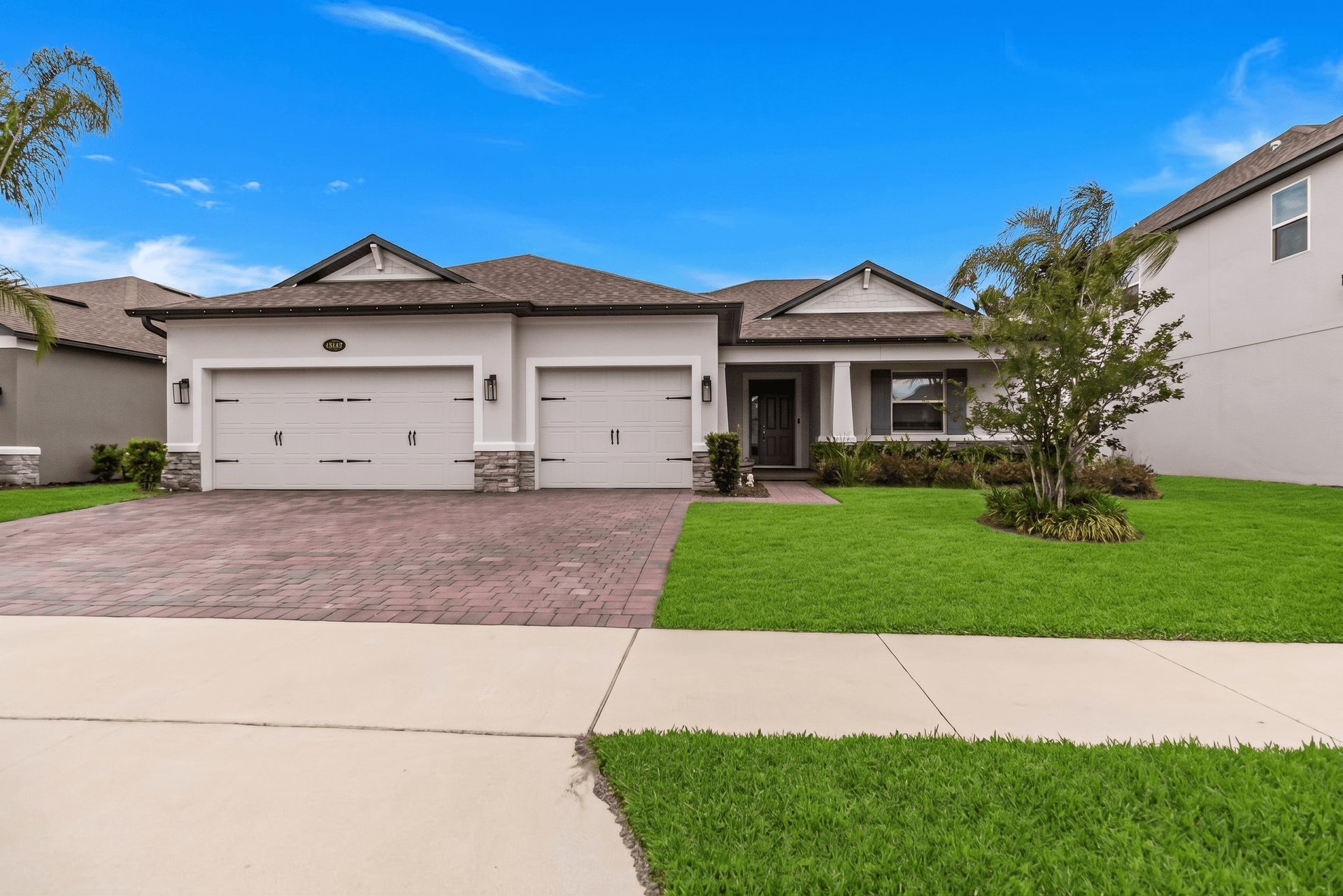 Twilight Enhancement
Planning the Twilight Shoot
A successful twilight shoot requires careful planning:
- Scout during the day. Identify your camera positions, check for obstructions, and determine which interior lights will be visible from each angle.
- Turn on every light. Before the sun sets, walk through the entire home and turn on every light -- interior, exterior, landscape, and pool lights. The warm glow is the star of the show.
- Know your window. The ideal twilight shooting window is approximately 15-25 minutes after sunset. This gives you a sky with rich color while maintaining enough ambient light to see the home's exterior details.
- Bracket your exposures. Shoot multiple exposures to capture both the bright interior lights and the deep blue sky. These can be blended in post. If you miss the window, Twilight's Twilight mode turns a single daytime frame into a dusk shot in about 30 seconds.
When to Use AI Twilight Conversion
Not every luxury listing justifies the cost and scheduling complexity of an on-site twilight shoot. AI-powered twilight conversion has become a legitimate alternative for many scenarios:
- When weather does not cooperate. You scheduled the twilight shoot, but clouds rolled in. Twilight's AI can convert your daytime exterior into a convincing twilight image.
- When the client adds twilight shots after the fact. The agent decides they want twilight images after seeing the daytime set. No need to reschedule a separate visit.
- For secondary exterior angles. Shoot your hero twilight angle on site, then use AI conversion for additional exterior views that did not warrant staying through sunset.
The quality of AI twilight conversion has reached the point where most viewers cannot distinguish between an on-site twilight capture and a well-executed AI conversion. For luxury listings where the marketing budget supports it, shooting on-site twilight for the hero image and using AI conversion for supplementary angles is an efficient hybrid approach.
Try it free
Transform your first property photo in seconds, no account needed.
Water Features and Views
Luxury properties frequently feature pools, spas, fountains, water features, and premium views. Photographing these elements well requires specific techniques.
Pool and Water Photography
- Time of day matters enormously. Pools look best in late afternoon when the sun is low enough to create sparkle on the water surface without harsh overhead reflections.
- Include the surroundings. A pool photographed in isolation is just a rectangle of water. Compose to include the home, the pool deck, landscaping, and any features like a spa, waterfall, or fire pit.
- Still water vs. running features. If the pool has a vanishing edge, spillover spa, or fountain feature, run them. Moving water adds life and luxury to the image. If you are using a slower shutter speed, the slight blur of moving water communicates motion elegantly.
- Night pool shots. An illuminated pool at twilight is a powerful image for luxury marketing. The combination of glowing blue water and warm house lights creates an irresistible atmosphere.
Capturing Views
Many luxury properties are valued specifically for their views -- ocean, mountain, cityscape, golf course. Photographing views presents a challenge because the dynamic range between a bright exterior view and a darker interior is extreme.
- Use HDR techniques to capture both the interior and the view through the windows. This is essential for luxury properties where the view is a primary selling point.
- Shoot the view itself. In addition to interior shots that include the view through windows, step outside and photograph the actual vista. A panoramic image from the deck or balcony communicates the view experience better than a glimpse through glass.
- Frame the view. Use architectural elements -- window frames, columns, railings -- to frame the view within your composition. This adds structure to what might otherwise be a generic landscape photo.
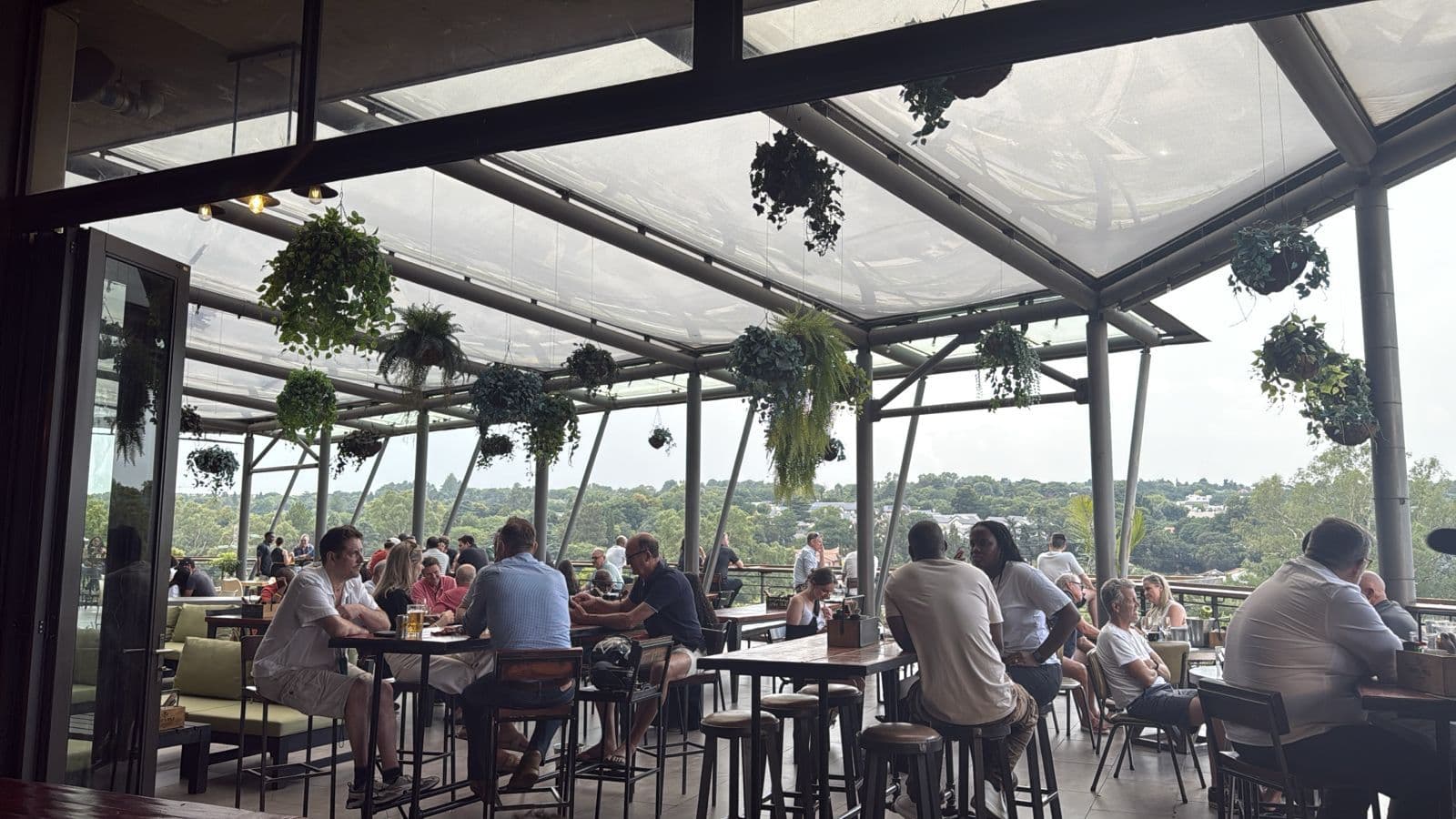
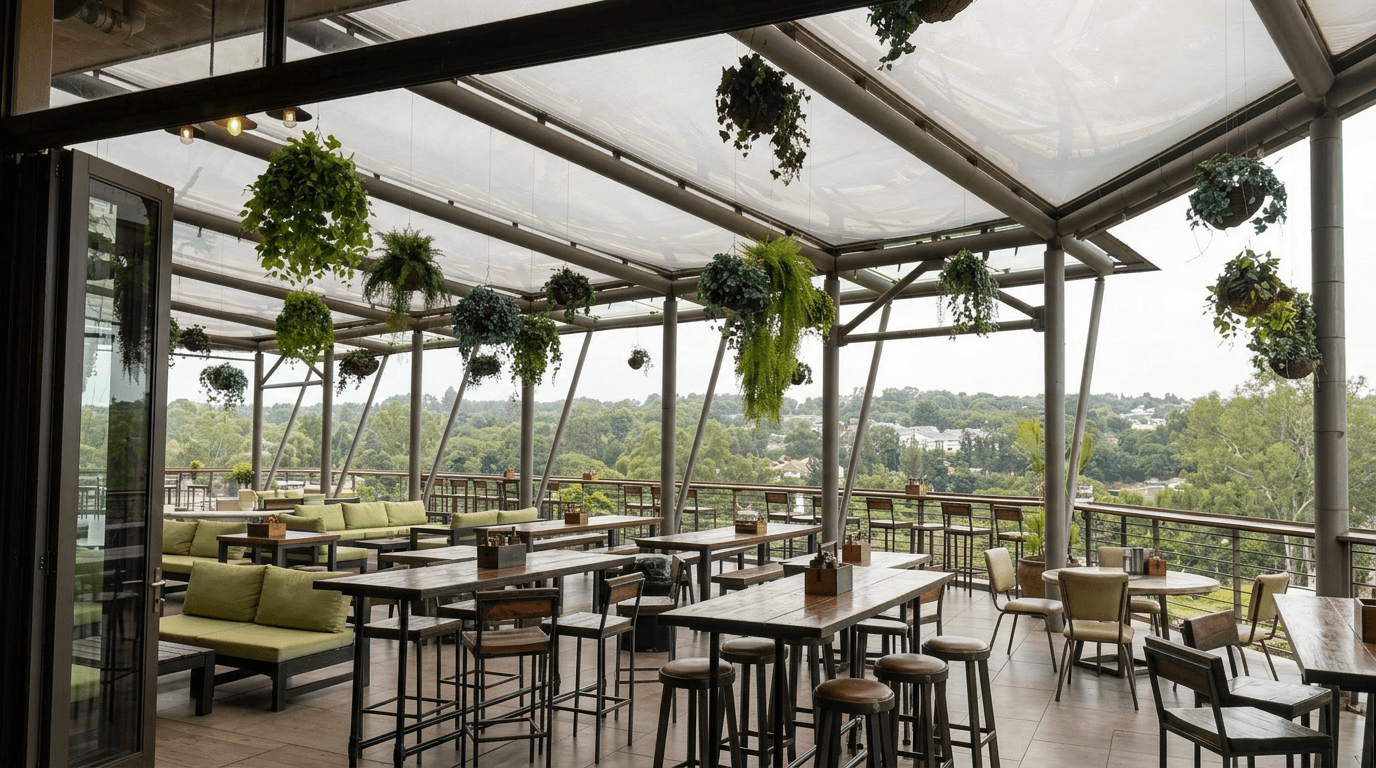 HDR Enhanced
Lifestyle Staging and Vignettes
Luxury real estate photography excels when it tells a story about the life a buyer could live in the home. This is where lifestyle staging and vignette photography come in.
What Lifestyle Staging Looks Like
Professional stagers preparing a luxury home for photography go beyond placing furniture. They create scenes:
- A breakfast scene on the terrace: fresh flowers, a croissant on a plate, a coffee cup, the morning paper. This is not about the croissant -- it is about communicating a morning routine.
- A wine scene in the cellar or at the bar: an open bottle, two glasses, a cheese board. This communicates entertainment and sophistication.
- A reading nook by the fireplace: a cashmere throw, an open book, a cup of tea. This communicates comfort and relaxation.
- A spa scene in the master bath: rolled towels, candles, a tray with bath products. This communicates self-care and luxury.
Your job as the photographer is to recognize and capture these vignettes at the right angle and with the right light to make them feel natural rather than staged.
The same storytelling instinct carries over to homes that do not fit a standard template at all. When the architecture itself is the selling point, as with a converted barn, an A-frame, or a cliffside build, the vignette has to serve the structure rather than compete with it. Our guide to photographing unique properties covers that problem in the short-term rental context, where unusual homes are the norm rather than the exception.
Creating Vignettes Without a Stager
When professional staging is not available, you can create simple vignettes with a few portable props:
- Fresh flowers in a clear vase (works in almost any room)
- Folded towels in bathrooms
- Coffee table books appropriate to the home's style
- A bowl of fresh fruit in the kitchen
Keep it minimal. In luxury photography, less is more. A single thoughtfully placed element is more effective than a cluttered staging attempt.
Working with Luxury Agents
Luxury real estate agents are a different clientele than standard residential agents. Understanding their expectations and communication style is essential for building relationships in this segment.
What Luxury Agents Expect
- Reliability above all. Luxury agents will not tolerate missed shoots, late deliveries, or inconsistent quality. Their reputation depends on presenting properties perfectly, and they need photographers who perform flawlessly every time.
- Comprehensive coverage. A luxury listing shoot typically produces 50-80 final images, compared to 25-35 for a standard listing. Every room, every feature, and every angle that could appeal to a buyer needs to be captured.
- Premium editing quality. Luxury agents expect editing that goes beyond basic brightness and color correction. They want magazine-quality composition, dramatic lighting, and a polished, cohesive look across the entire image set.
- Additional deliverables. Many luxury agents also need vertical crops for social media, specific images formatted for print marketing, and hero images selected for featured placement.
Communication and Professionalism
When working with luxury agents:
- Dress professionally. You are entering multi-million-dollar homes. Business casual at minimum.
- Be punctual. Arrive early to scout the property and set up.
- Use protective gear. Wear shoe covers, handle nothing without permission, and be extremely careful around finishes and surfaces.
- Deliver ahead of schedule. If the turnaround is 48 hours, deliver in 36. Luxury agents will remember and reward this.
- Present options. Deliver the full set, but also curate a recommended "hero" selection of 10-15 images you think are the strongest. This saves the agent time and demonstrates your creative judgment.
Get started free
Create your free account and get 5 credits to start editing.
Editing for Luxury: Higher Production Value
The editing phase is where luxury photography truly separates from standard real estate work. The goal is a cohesive, premium visual identity across the entire image set.
Color Grading for Luxury
Luxury real estate editing typically favors:
- Rich, warm tones for interiors with wood, leather, and natural materials
- Cool, clean tones for modern and contemporary homes with white and gray palettes
- Deep, saturated blues for twilight and exterior sky imagery
- Natural skin tones in any lifestyle imagery (avoid overly warm or orange cast)
The key is consistency. Every image in the set should feel like it belongs to the same family. When a buyer scrolls through 50+ photos, the color palette and editing style should be seamlessly uniform.
The Role of HDR in Luxury Photography
HDR (High Dynamic Range) processing is practically mandatory for luxury listings because these homes often feature:
- Floor-to-ceiling windows with bright views and darker interiors
- Dramatic lighting installations that create extreme contrast
- Mixed lighting environments with natural, recessed, pendant, and accent lighting in the same space
The challenge is applying HDR in a way that looks natural. Over-processed HDR -- with its telltale halos, unnatural tones, and flat contrast -- is the opposite of luxury. The goal is a balanced exposure that preserves both highlights and shadows while maintaining the natural drama and mood of the space.
Twilight's Retouch mode is tuned to avoid the common pitfalls of over-processing and aims for balanced results that keep the premium feel luxury listings require.
Batch Editing with Consistent Quality
When you are editing 60-80 images from a luxury shoot, maintaining consistency is both critical and challenging. A workflow that combines AI-powered base corrections with selective manual refinement often produces the best results:
- Apply base corrections in batch -- lens correction, initial exposure, white balance
- Use Twilight presets for consistent enhancement -- this establishes the color profile and mood
- Manually refine hero images -- the 10-15 images that will lead the listing deserve individual attention
- Quality check for consistency -- review the full set in sequence, looking for any images that deviate from the established look
Pricing Premium Photography Services
Luxury real estate photography commands higher rates, but pricing requires a strategic approach.
What the Market Supports
Luxury listing photography typically commands 2-3 times the rate of standard residential work:
- Standard luxury shoot (interior + exterior): $500-$1,500 depending on market and property size
- With twilight: Add $200-$500
- With drone/aerial: Add $200-$400
- With video walkthrough: Add $500-$2,000
- Full luxury package (all of the above): $1,500-$4,000+
Positioning Your Pricing
- Never compete on price in the luxury segment. Agents spending $20,000+ on marketing a $5 million listing are not looking for the cheapest photographer. They are looking for the best.
- Package services rather than itemizing. A comprehensive package feels premium; an itemized invoice feels transactional.
- Include editing in your rate. Luxury agents do not want to think about editing costs separately. Your price should include fully edited, delivered images.
- Offer exclusivity. Some luxury photographers offer exclusive agreements with top agents, guaranteeing availability in exchange for a minimum booking commitment.
View pricing
Credit packs from $12, plans from $29 a month.
Building a Luxury Portfolio
Breaking into luxury real estate photography requires a portfolio that demonstrates you can operate at the premium level.
Portfolio Building Strategies
- Photograph luxury open houses. Contact luxury agents and offer to shoot their next open house for your portfolio. The home is already staged and lit, and the agent may appreciate the additional content.
- Seek out architectural photography opportunities. Custom home builders, architects, and interior designers all need portfolio-quality photography. These projects often overlap with luxury real estate in style and expectations.
- Invest in one showcase shoot. Identify the most impressive home you can access -- through personal connections, agent relationships, or builder contacts -- and execute a complete luxury shoot at your own cost. One set of stunning images from a genuinely impressive property is worth more than ten average shoots.
- Study the competition. Identify the photographers who shoot luxury listings in your market and study their work. Note their composition choices, editing style, and the types of details they emphasize.
What Your Luxury Portfolio Must Include
At minimum, your portfolio should demonstrate:
- Twilight exterior mastery -- at least 3-5 stunning twilight images
- Interior dramatic lighting -- rooms with mood and atmosphere, not just bright and flat
- Architectural detail shots -- close-ups that showcase materials and craftsmanship
- View and landscape integration -- interiors that include exterior views, and exterior shots that communicate setting
- Lifestyle vignettes -- staged scenes that tell a story
- Aerial perspectives -- drone photography that shows property context and scale
The Bottom Line
Luxury real estate photography is a premium service that demands premium skills, equipment, preparation, and editing. The fundamentals of real estate photography still apply -- proper exposure, accurate white balance, thoughtful composition -- but every element is elevated to a higher standard.
The most successful luxury real estate photographers combine technical excellence with an editorial eye. They do not just document rooms; they create images that communicate a lifestyle and evoke an emotional response. They understand that at the luxury level, photography is not a commodity line item in the marketing budget -- it is a critical component of how the property is perceived by discerning buyers.
Invest in developing your twilight technique, master the art of the detail shot, build relationships with luxury agents, and refine your editing workflow to deliver consistent, premium results. The luxury segment rewards photographers who commit to excellence, and the financial returns are well worth the investment in getting there.
Related Articles
How to Write AI Prompts for Real Estate Photo Editing: A Practical Guide
AI photo editing prompts for real estate that produce reliable edits: templates for day-to-dusk, sky replacement, decluttering, exposure fixes and more.
Photography for Unique Airbnb Properties: Treehouses, Tiny Homes, Boats, and Beyond
How to photograph unique Airbnb stays: treehouses, tiny homes, boats, yurts and glamping sites. Small-space tips and how to show what guests are booking.
The Real Estate Agent's No-Nonsense Guide to AI Photo Editing
A plain-English guide to AI photo editing for real estate agents: the five essential edits, the mistakes to avoid, and pro listing photos in 10 minutes.