Photography for Unique Airbnb Properties: Treehouses, Tiny Homes, Boats, and Beyond
How to photograph unique Airbnb stays: treehouses, tiny homes, boats, yurts and glamping sites. Small-space tips and how to show what guests are booking.
Standard real estate photography rules were written for standard real estate. Three-bedroom houses with four walls, a roof, and predictable interiors. The shots are well-established: wide angle from the doorway, kitchen from the corner, bathroom straight on. Every real estate photographer knows the playbook because every conventional property fits the same playbook.
Then you try to photograph a treehouse. Or a converted school bus. Or a yurt in the middle of a meadow. Or a houseboat bobbing gently at the dock. And every rule you know either does not apply or actively works against you. The doorway shot does not work when the room is six feet wide. The wide-angle composition distorts a space that is already unconventionally shaped. The exterior shot that works for a suburban ranch looks absurd when the "exterior" is a canvas tent surrounded by forest.
Unique properties are the fastest-growing segment of the short-term rental market. Airbnb's data consistently shows that unusual listings generate disproportionate interest, command premium nightly rates, and are shared on social media far more often than conventional properties. But their photography requires a fundamentally different approach -- one that prioritizes story over space, experience over inventory, and atmosphere over accuracy.
This guide covers the techniques, strategies, and creative thinking that make unique property photography work, whether you are shooting a treehouse in the Smokies or a converted grain silo in Kansas.
The Fundamental Shift: Selling the Experience
Conventional property photography answers the question: "What does this place look like?" The buyer needs to know the size of the rooms, the condition of the kitchen, the layout of the floor plan. Accuracy is paramount because the guest is booking a functional space.
Unique property photography answers a different question: "What will it feel like to stay here?" The guest booking a treehouse is not primarily concerned with the square footage of the sleeping loft. They are booking the experience of waking up in the canopy, drinking coffee on a platform surrounded by birds, and disconnecting from their everyday life. Your photos need to communicate that experience, not just document the structure.
This does not mean accuracy does not matter. Guests still need to understand what they are getting -- how big the bed is, what the bathroom situation looks like, whether there is a kitchen. But the hierarchy of information flips. In a standard listing, the wide room shot comes first and the lifestyle detail comes second. In a unique property listing, the atmospheric experience shot comes first and the practical space documentation supports it.
The Hero Shot Matters More
For conventional properties, the hero shot is typically the best exterior or living room photo. For unique properties, the hero shot is the single image that captures the essence of the experience. This is the photo that makes someone stop scrolling and say "I need to stay there."
For a treehouse: the structure seen through the forest canopy at golden hour, warm light glowing from within.
For a tiny home: the front door wide open, a reading nook visible inside, the surrounding landscape stretching behind.
For a boat: the vessel at sunset with the water reflecting warm colors, deck chairs set up for the evening.
For a yurt: the interior looking up at the circular ceiling structure, warm textiles visible, natural light streaming through the crown.
Your hero shot is your listing's first impression and likely your most-shared image. Invest disproportionate time and thought into getting it right.
Small Space Photography: Making Tiny Feel Inviting
The most common challenge with unique properties is size. Tiny homes, converted vans, treehouses, and boats are compact by nature. Standard real estate photography in small spaces creates two problems: wide-angle distortion that makes the space look alien, and tight compositions that make the space feel claustrophobic.
The Wide-Angle Trap
In conventional real estate photography, ultra-wide-angle lenses (10-16mm or the 0.5x smartphone camera) are standard because they make rooms appear larger and more spacious. In small spaces, this backfires. A 200-square-foot tiny home shot at 10mm looks like a warped funhouse. Straight lines curve, proportions distort, and the resulting image feels dishonest -- the space looks bigger in photos than it is in reality, setting guests up for disappointment.
Lens Choice for Small Spaces
For tiny homes and compact unique properties, use a moderately wide angle: 24-28mm equivalent on a full-frame camera, or the standard 1x lens on a smartphone. This captures enough of the space to give context without introducing the distortion that makes small rooms look unrealistic. Save the ultra-wide for conventional properties where making rooms look spacious is appropriate and expected.
Composition Strategies for Compact Interiors
Shoot from corners, not centers. In a small room, standing in the center and shooting leaves you too close to every wall. Position yourself in a corner and shoot diagonally across the space. This maximizes the apparent depth and creates a more natural perspective.
Use vertical compositions. Small spaces often have interesting vertical elements -- lofted sleeping areas, high ceilings, skylights, ladder access. Portrait orientation captures these features and is well-suited for mobile browsing, where most Airbnb guests discover listings. Mix vertical and horizontal shots rather than defaulting to landscape for everything.
Shoot through doorways and openings. Frame interior shots through a doorway, window, or architectural opening. This creates depth by establishing a foreground element and gives the viewer a sense of entering the space rather than being crammed inside it.
Focus on vignettes, not room-wide shots. In a 150-square-foot space, a single wide shot captures everything and looks cramped. Instead, photograph individual zones: the sleeping area, the kitchen counter, the desk nook, the window seat. These vignette compositions show the space as a collection of purposeful areas rather than one small box.
Include the view. If the space has windows -- and most unique properties feature their surroundings as part of the experience -- compose your interior shots to include what is visible through the windows. This visually extends the space beyond its walls and reminds the viewer that the property's appeal includes its setting, not just its interior.
Decluttering Is Non-Negotiable
In a standard home, a few items on the counter are barely noticeable. In a tiny home, every object is visible in every photo. Decluttering is absolutely critical for small-space photography. Remove everything that is not essential to the guest experience. Leave only what communicates the lifestyle: a single coffee mug, one open book, a neatly folded blanket. Every additional item makes the space feel smaller and messier.
For more decluttering strategies, see our guide on Airbnb listing photos that book.
Try it free
Transform your first property photo in seconds, no account needed.
Outdoor and Semi-Outdoor Structures
Treehouses, glamping sites, yurts, and open-air structures blur the line between interior and exterior photography. The structure and its surroundings are not separate subjects -- they are a unified experience, and your photography should treat them that way.
Treehouses
Treehouses present unique photographic challenges and opportunities:
The approach shot. Photograph the path or stairway leading up to the treehouse. Guests want to visualize the journey of arriving -- walking through the forest, climbing the stairs, reaching their private perch. Shoot this from the guest's perspective, looking up toward the structure. Include enough surrounding trees to convey the elevation and forest immersion.
The platform perspective. Shoot from the treehouse deck looking outward into the canopy. This photo answers the question guests most want answered: "What will I see when I wake up here?" If the treehouse has a view, this is often the most compelling photo in the listing.
Structural context. Include at least one photo that shows the treehouse's relationship to its supporting trees. How the structure is built, how it sits within the canopy, and how it connects to the ground are all part of the story that makes a treehouse compelling.
Interior warmth. Treehouse interiors tend to be compact and wood-heavy. Use warm lighting (turn on all available lights, bring battery-powered LED candles if needed) and photograph during the late afternoon when natural light is warm and directional. The goal is to make the interior feel like a cozy nest, not a dark box in a tree.
Glamping Sites and Yurts
Glamping photography is about demonstrating that "roughing it" is not actually rough:
Show the setup, not just the tent. The deck furniture, the fire pit, the outdoor kitchen, the string lights -- these comfort elements are what distinguish glamping from camping. Photograph each one as deliberately as you would photograph a room in a house.
Interior luxury contrast. The most powerful glamping photo is one that shows luxury inside an unexpected setting. A beautifully made bed with high-quality linens inside a canvas tent. A clawfoot bathtub inside a yurt. A chandelier hanging from a canvas ceiling. These contrast shots communicate the unique value proposition of glamping: nature without sacrifice.
Natural setting integration. Photograph the tent or yurt within its landscape, not isolated from it. Include the surrounding meadow, forest, or hillside. The setting is as much a part of what guests are booking as the structure itself.
Night photography. Glamping sites often look their most magical at night, with interior lights glowing through canvas and string lights twinkling in the darkness. These photos require a tripod and longer exposures but produce images that are uniquely compelling for this property type.
Boats and Houseboats
Marine property photography adds the variable of water, weather, and motion:
Shoot from the dock and from the water. The dock perspective shows the boat as guests will first see it. A photo from the water (taken from a kayak, dinghy, or the opposite dock) shows the boat in its element and captures reflections.
Golden hour is essential. Water amplifies golden-hour light through reflections and creates the warm, vacation-feeling atmosphere that drives bookings. Schedule your boat photography for the hour before sunset whenever possible.
Interior stability. If the boat moves, your photos will show it. Use fast shutter speeds to freeze any motion and brace yourself against solid structure. If the water is very calm, take advantage of the stillness for long-exposure interior shots.
Deck and cockpit coverage. The outdoor living spaces of a boat -- the deck, cockpit, bow, and stern areas -- are often more important to guests than the interior cabins. Photograph them with as much care as you would a living room, including appropriate staging (cushions arranged, a glass of wine on the table, fishing gear neatly stowed).
Weather Challenges for Outdoor Properties
Unique properties are disproportionately exposed to weather because they are often partly or entirely outdoors. This creates both challenges and creative opportunities.
Rain and Overcast Conditions
For conventional properties, you can reschedule the shoot for a sunny day. For a remote treehouse or glamping site that requires a two-hour drive, rescheduling is expensive and sometimes impossible.
Work with the weather, not against it. Overcast light is soft and even, which is actually excellent for photographing interiors through open-air structures where harsh sunlight creates difficult contrast. Use the diffused light to your advantage for detail shots, interior photos, and close-up compositions.
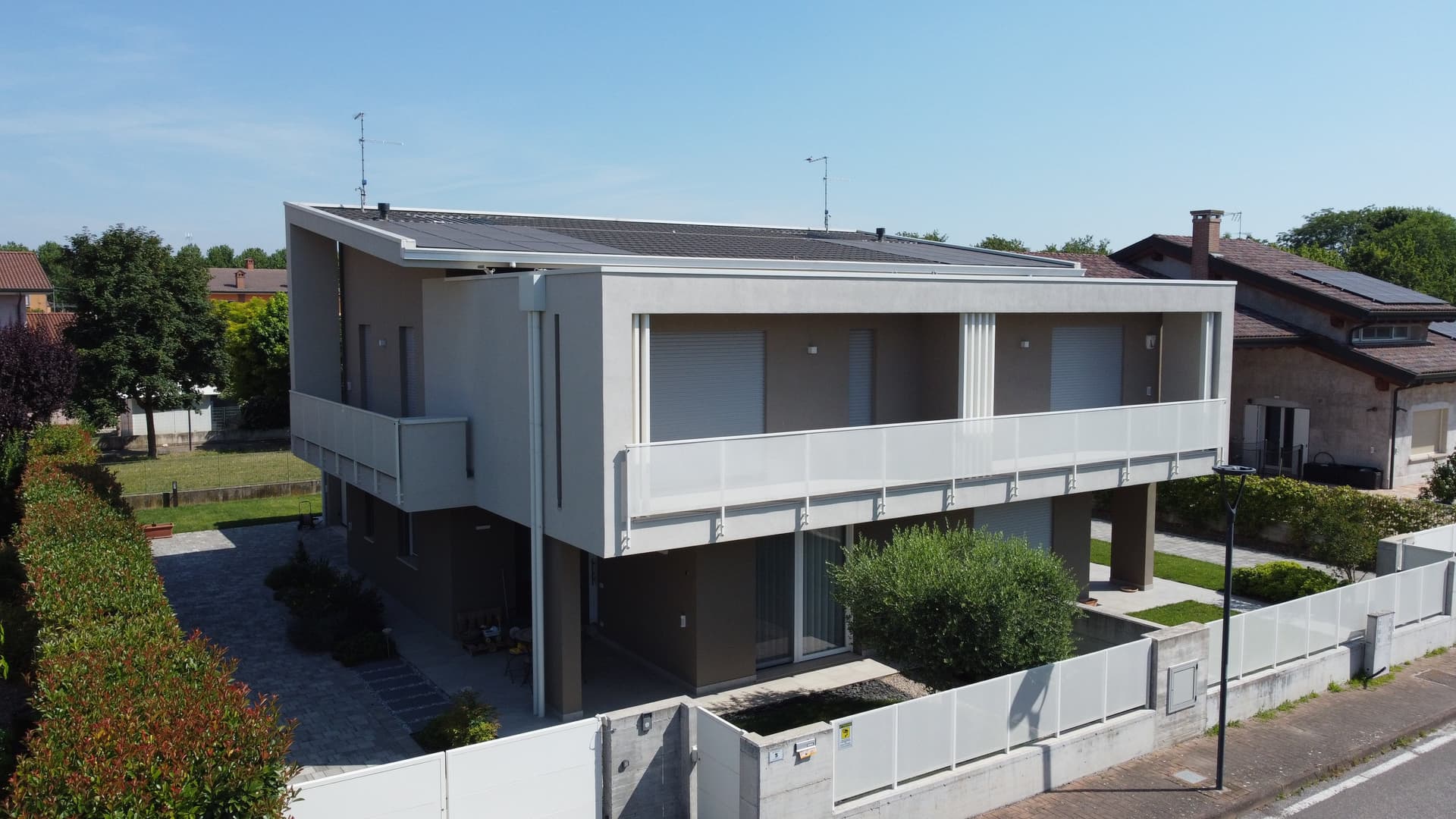
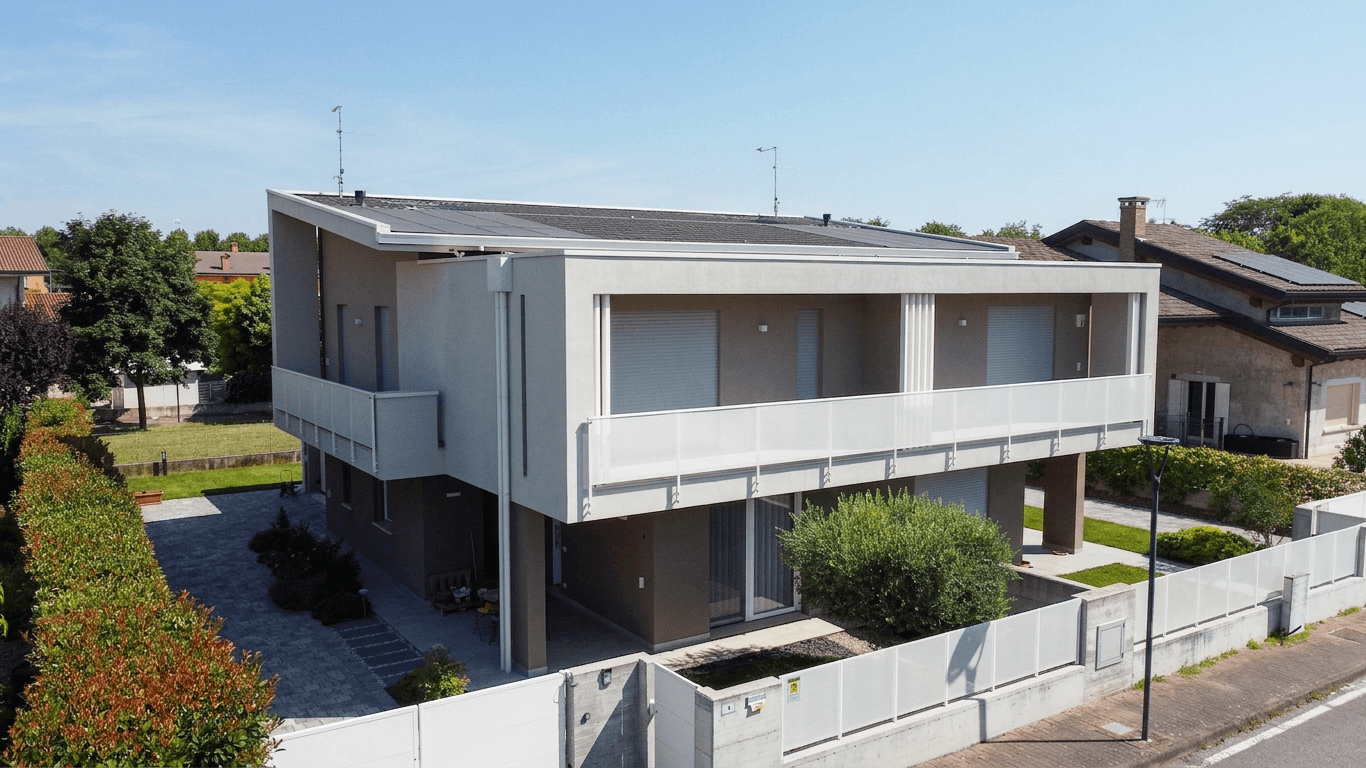
Save the exteriors for post-processing. If the sky is gray, shoot your exteriors anyway and plan to enhance them later. AI sky replacement can transform a gray exterior into a blue-sky beauty shot while preserving the natural lighting on the structure itself.
Embrace moody aesthetics selectively. A misty morning in the mountains, fog rolling through a forest around a treehouse, rain pattering on a yurt's canvas -- these conditions can produce extraordinarily atmospheric photos that communicate the romance of the setting. Include one or two moody shots alongside your blue-sky photos to show the property's range.
Wind
Wind is the enemy of outdoor property photography in ways you might not expect:
- Canvas and fabric structures flap and distort in wind, making them look less appealing
- Outdoor staging (table settings, throw blankets, candles) gets displaced
- Trees and foliage blur in longer exposures
- The photographer's stability is compromised on elevated platforms
If wind is an issue, shoot interiors and details during windy periods, and wait for calm moments (often early morning) for exterior and staged outdoor shots.
 Enhanced
Sky and Foliage Enhancement
Unique properties are typically set in natural environments where the sky and surrounding vegetation are integral to the listing's appeal. Enhancing these elements in post-processing can dramatically improve your photos without misrepresenting the property.
Sky Enhancement for Outdoor Properties
Sky enhancement is even more impactful for unique properties than for conventional real estate because the sky often occupies a larger portion of the photo (open-air structures, elevated platforms, wide landscape contexts). A gray sky over a treehouse makes the entire scene look uninviting; a blue sky with clouds makes it look like paradise.
AI editing tools handle sky replacement particularly well for outdoor properties because:
- The complex edges of trees and natural structures are exactly what modern AI models excel at
- The lighting adjustment needed to match a natural setting to a new sky is more intuitive for AI than the hard geometries of buildings
- The organic shapes of unique structures blend more naturally with environmental changes
Foliage and Landscaping Enhancement
The vegetation surrounding a unique property is part of the product. Brown grass, bare trees, or wilted plants diminish the appeal of even the most charming structure. Subtle enhancements to foliage color and saturation can bring the natural setting to life:
- Boosting green saturation to show vegetation at its vibrant best
- Enhancing fall colors if shooting in autumn to emphasize the seasonal beauty
- Brightening flowers and blooming plants that may appear dull in photos
The ethical guideline here is the same as with any enhancement: show the property at its realistic best, not in a condition it never achieves. Greening up a lawn in a region where it is green eight months a year is reasonable. Digitally adding lush tropical vegetation around a desert property is not.
Seasonal Timing for Unique Properties
Timing your photography to match the property's peak season is more important for unique properties than for conventional listings because the setting contributes so much to the appeal.
Peak Season Photography
Most unique properties have a clear peak season when they look their absolute best:
- Treehouses: Late spring through early fall, when the canopy is full and green. The golden hour light filtering through dense leaves creates magical lighting conditions.
- Lakeside or waterfront properties: Summer, when the water is blue and guests can visualize swimming, kayaking, and waterfront relaxation.
- Mountain cabins and yurts: Two peaks -- summer (green mountains, wildflowers) and winter (snow-covered landscapes, cozy interiors). Photograph both for seasonal rotation.
- Desert properties: Spring (wildflowers, moderate temperatures) and fall (warm golden light, comfortable evenings). Avoid summer photography when the landscape looks scorched.
Off-Season Photography Strategy
If you cannot photograph during peak season, AI editing can bridge the gap. A treehouse photographed in early spring with bare branches can be enhanced to show the fuller canopy of late spring. An overcast winter day can be transformed with sky replacement and brightness enhancement.
However, avoid creating a false impression of what the property looks like during the season when guests will actually be booking. If you primarily rent in winter (a ski-access yurt, for example), your photos should show winter conditions -- just the most attractive version of winter conditions, with fresh snow and dramatic skies rather than slushy gray realities.
For more seasonal photography strategies, see our seasonal photo strategy guide.
Tell the Property's Story Through Photo Sequence
The order of your listing photos is a narrative. For unique properties, structure it as a story: the approach (how you get there), the arrival (first view of the property), the exterior (the structure in its setting), the interior (the living experience), the details (the thoughtful touches), the experience (what you do here -- the view from the deck, the fire pit at night, the hiking trail from the door), and the departure (the view looking back as you leave). This narrative arc mirrors the guest experience and creates an emotional journey that drives bookings.
Dealing with Unconventional Layouts
Standard photography angles assume standard layouts: rectangular rooms, flat floors, vertical walls. Unique properties routinely violate all three assumptions.
Curved Walls and Circular Spaces
Yurts, silos, domes, and converted water tanks have curved walls that create challenges for wide-angle photography. The curvature is exaggerated by wide lenses and can look distorted or disorienting.
Solution: Shoot from the center of the circular space looking outward toward the most interesting feature (the door, a window, the bed). This uses the curve as a compositional frame rather than fighting against it. For detail shots, photograph along the curve rather than across it to minimize the distortion.
Lofted and Multi-Level Spaces
Treehouses and tiny homes frequently use lofted sleeping areas accessed by ladder or stairs. These vertical layouts do not photograph well with standard horizontal compositions.
Solution: Use vertical (portrait) compositions to capture the full height of the space. Shoot upward from the main level to show the loft above, emphasizing the clever use of vertical space. Also shoot from the loft looking down to show the space from the guest's sleeping perspective.
Open-Air and Partial Structures
Some unique properties lack one or more walls, or have sections open to the elements (roofless showers, open-sided pavilions, screen-walled sleeping areas).
Solution: Embrace the openness. Compose your shots to include the natural surroundings visible through the open sections. The lack of a wall is a feature, not a problem -- it is what makes this property unique. Frame the outdoor view as if it were a panoramic window.
Irregular and Non-Standard Rooms
Converted buses, train cars, and shipping containers have unusual proportions -- very long and narrow, or very compact with angled walls.
Solution: Shoot lengthwise to emphasize the space's depth rather than across the narrow width. Use leading lines (the counter edge in a bus kitchen, the corridor of a train car) to draw the eye through the length of the space. Break the space into zones and photograph each zone individually rather than trying to capture everything in one shot.
Glamping and Yurt Photography: Special Considerations
Glamping has exploded as a hospitality category, and the photography standards are still being established. This creates an opportunity to differentiate your listing with professional-quality images when most competitors are posting casual snapshots.
Interior Styling for Canvas Structures
Canvas walls do not photograph the same as drywall. They absorb less light, creating a warmer but dimmer atmosphere, and their texture adds visual interest that can work for or against you.
- Light generously. Bring supplemental lighting -- battery-powered LED lanterns, string lights, or candles. The warm glow through canvas is one of the most appealing visual elements of glamping, but you need enough light to capture the interior details.
- Keep bedding impeccable. In a tent or yurt, the bed is the largest interior element and the most visible from any angle. Invest in photogenic bedding (white or neutral, layered with textured throws) and make it meticulously.
- Show the floor. Glamping floors (rugs over platforms, natural wood decking, or even grass) are part of the tactile experience. Include the floor in your compositions to ground the viewer in the space.
Outdoor Living Area Documentation
For many glamping properties, the outdoor living area is larger and more important than the interior. Photograph it with the same discipline you would apply to a living room:
- Fire pit area: Stage with seating, blankets, and s'mores supplies. Shoot at dusk with the fire lit for maximum atmosphere.
- Outdoor kitchen or cooking area: Show it clean, organized, and functional.
- Dining setup: Stage the outdoor dining area as if guests are about to sit down for a meal.
- Pathways and transitions: Show how guests move between the tent and outdoor amenities. Lit pathways at dusk are particularly photogenic.
Practical Equipment Recommendations
Photographing unique properties often means working in locations without power, in confined spaces, and in variable outdoor conditions. Your equipment needs to be adaptable.
Essential Kit
- Smartphone with a good camera (iPhone 15 Pro or later, or Samsung Galaxy S24 or later). Modern smartphone cameras handle challenging lighting and tight spaces surprisingly well, and their portability is essential for climbing into treehouses and navigating narrow boat interiors.
- Compact tripod or gorilla pod. Essential for low-light interiors and dusk shots. A gorilla pod can wrap around tree branches, railings, and other unconventional surfaces when a standard tripod cannot be placed.
- Battery-powered LED panel. A small, portable light source for supplementing dim interiors. Warm-toned panels (2700-3000K) create the cozy atmosphere that suits unique properties.
- Microfiber cloth. Moisture, condensation, and outdoor conditions will fog and dirty your lens. Wipe before every shot.
Nice to Have
- Wide-angle camera with 24mm lens. If you shoot unique properties regularly, a dedicated camera with a moderately wide prime lens gives you more control than a smartphone.
- Drone. Aerial photography is spectacular for showing properties in their landscape context -- a tiny home in a meadow, a treehouse in a forest canopy, a houseboat in a marina. Check local regulations before flying.
- Portable battery pack. For powering LED lights and charging your phone during extended shoots in off-grid locations.
Post-Processing for Unique Properties
The editing approach for unique properties should enhance the atmosphere and setting, not standardize the look to match conventional real estate.
AI Enhancement for Natural Settings
AI editing tools are particularly effective for unique property photos because they handle the environmental elements that define these listings:
- Sky replacement transforms an overcast outdoor shoot into a blue-sky paradise without reshooting
- Brightness and exposure correction recovers detail in dim canvas interiors and under-deck spaces
- Color enhancement brings out the natural greens, browns, and earth tones that make outdoor settings vibrant
- Twilight conversion is stunning for treehouses and glamping sites, creating the magical dusk atmosphere that makes these properties irresistible
Maintaining Authenticity
The temptation with unique properties is to over-edit toward a polished, magazine look. Resist this. Part of the charm of a treehouse or tiny home is its character -- the rough wood, the handmade details, the imperfect but genuine aesthetic. Editing should enhance the natural atmosphere, not replace it with a sterile perfection that feels incongruent with the property's character.
Brighten the dark corners, yes. Correct the color, certainly. Replace a gray sky with a blue one, absolutely. But do not smooth the wood grain, do not remove the natural wear patterns, and do not make a rustic cabin look like a hotel room. Guests booking unique properties want authenticity. Your photos should deliver it.
For more on outdoor space photography for Airbnb, our detailed guide covers additional techniques specific to rental property marketing.
View pricing
Credit packs from $12, plans from $29 a month.
Related Articles
How to Photograph Your Airbnb Outdoor Spaces: Patios, Pools, and Gardens
Outdoor spaces can make or break an Airbnb booking. Learn to photograph patios, pools, gardens, and balconies that make guests hit 'Reserve' instantly.
Airbnb Photography vs Real Estate Photography: Key Differences That Matter
Airbnb vs real estate photography: how shooting style, staging, editing and photo order differ, and how to optimize for each market.
Seasonal Airbnb Photo Strategy: Update Your Listing Photos for Year-Round Bookings
Smart hosts update their Airbnb photos seasonally to match what guests are searching for. Here's your complete seasonal photo playbook.