How to Photograph Vacant Properties That Actually Sell
Learn proven techniques for photographing empty rooms and vacant properties. From angle selection and lighting to AI enhancement and virtual staging, make your vacant listings stand out.
Vacant properties present one of the most persistent challenges in real estate photography. Without furniture, rugs, artwork, and personal touches, rooms lose their sense of scale, warmth, and purpose. Buyers scrolling through listings struggle to imagine themselves living in a space that looks like a hollow shell. The result is fewer clicks, fewer showings, and longer days on market.
But vacant does not mean hopeless. With the right shooting techniques, thoughtful use of architectural features, and smart post-processing, you can create listing photos that make empty rooms feel inviting rather than abandoned. In this guide, we cover everything from camera angles and lighting to the decision between AI photo enhancement and virtual staging.
Whether you are a real estate agent photographing your own listings or a professional photographer expanding your vacant property skills, these techniques will immediately improve the quality of your empty room shots.
Why Vacant Properties Are So Hard to Photograph
Before jumping into solutions, it is worth understanding exactly why empty rooms photograph poorly. The challenges are both technical and psychological.
The Scale Problem
Furniture gives the human eye reference points for judging room size. A couch tells you how wide the living room is. A dining table tells you if the space can seat six or twelve. Without these cues, rooms in photographs often look either smaller than they actually are (because there is nothing to fill the frame) or strangely vast and cold (because the emptiness dominates).
The Echo Effect
Empty rooms with hard surfaces --- hardwood floors, bare walls, stone countertops --- create a visual "echo" where every imperfection is amplified. Scuff marks on floors, nail holes in walls, uneven paint, and dust in corners all become focal points when there is nothing else to look at.
The Warmth Gap
Furnished homes feel lived-in and inviting. Vacant homes feel transitional and temporary. Photos of empty rooms trigger an emotional response closer to "abandoned" than "opportunity," which is the opposite of what you want a buyer to feel.
The Composition Challenge
Standard real estate photography composition relies heavily on furniture placement to guide the eye through the frame. Without furniture, you lose your foreground interest, your leading lines, and your natural focal points. The result is flat, unengaging compositions that all look the same from room to room.
Angle Selection for Empty Rooms
The single most impactful thing you can do when photographing vacant properties is choose your angles deliberately. The defaults that work in furnished rooms often fail in empty ones.
Shoot From Corners, Not Doorways
In a furnished room, shooting from the doorway is standard because it captures the furniture layout and gives context. In an empty room, shooting from the doorway gives you a long, featureless view that emphasizes the emptiness. Instead, position yourself in a corner of the room and shoot diagonally across the space. This creates depth, shows two walls rather than one, and makes the room feel more three-dimensional.
Lower Your Camera Height
For furnished rooms, the standard tripod height is 4-5 feet --- roughly counter height. For empty rooms, drop to 3-3.5 feet. This lower perspective makes ceilings feel taller, emphasizes floor materials (especially attractive hardwood or tile), and creates a more dramatic sense of space.
Include Architectural Transitions
Frame your shots to include doorways, archways, or hallway connections that lead to adjacent rooms. These transitions add visual depth to the composition and show how the home flows from space to space --- something that furniture would normally help communicate.
Use Window Views as Focal Points
In a furnished room, a beautiful window is a complement to the staging. In an empty room, the window is the staging. Position yourself so that windows with attractive views are prominently featured. A kitchen with a window overlooking a landscaped yard has a built-in selling point that does not require furniture.
The Two-Wall Rule
In empty rooms, always try to capture at least two walls in every shot. Single-wall compositions in vacant spaces feel flat and institutional. Two walls create a sense of enclosure and dimension that helps buyers understand the room's shape and size even without furniture as reference points.
Using Architectural Features as Focal Points
Every home has built-in visual interest that does not leave when the furniture does. Your job is to find these features and make them the heroes of your compositions.
Flooring
Attractive flooring is one of the biggest selling points in vacant properties, and it is fully visible for the first time without furniture covering it. Hardwood floors, patterned tile, polished concrete, and natural stone all photograph beautifully when properly lit. Shoot at an angle that shows the floor's texture and pattern. Clean and polish floors before the shoot --- in a vacant home, the floor is doing the heavy lifting.
Built-in Cabinetry and Shelving
Kitchen cabinets, bathroom vanities, built-in bookshelves, and closet systems are permanent features that give empty rooms structure and visual interest. Frame your shots to highlight these elements. A kitchen with quality cabinetry and stone countertops tells a compelling story even without a fruit bowl and cookbook on the counter.
Fireplaces
A fireplace is a natural focal point in any room. In a vacant space, it becomes even more important. Shoot the room with the fireplace as the central element. If the fireplace has an interesting surround, mantel, or hearth, get close enough to feature it.
Windows and Natural Light
Large windows, French doors, and skylights are architectural features that buyers consistently value. In vacant rooms, they are also your primary tool for creating warmth and visual interest. Schedule your shoot to capture these features at their best --- when natural light is streaming through them.
Crown Molding and Trim
Architectural details like crown molding, wainscoting, chair rails, and decorative trim work are often overlooked in furnished rooms but become prominent in empty ones. Make sure these details are visible and well-lit in your compositions.
Lighting Techniques for Empty Spaces
Lighting is always important in real estate photography, but it becomes critical in vacant properties. Without furniture to absorb and reflect light, empty rooms can look harsh, cold, or flat depending on how you handle illumination.
Maximize Natural Light
Open every blind, curtain, and shutter in the home before you start shooting. Open blinds not just in the room you are photographing but in adjacent rooms as well --- light from neighboring spaces fills in shadows and creates a more natural, even illumination.
Time Your Shoot Carefully
The time of day matters more for vacant properties than furnished ones. Aim for mid-morning (9-11 AM) when light is bright but not harsh. Overcast days are often ideal because the cloud cover acts as a massive diffuser, sending soft light through every window without creating the strong directional shadows that emphasize emptiness.
Avoid midday direct sunlight, which creates harsh shadows on bare floors and walls. Late afternoon light can work well for west-facing rooms, adding warmth that compensates for the lack of furnishings.
Bounce Light Into Dark Corners
Empty rooms have more dark corners than furnished ones because there are no light-colored furniture surfaces to bounce light around the space. Use a portable reflector or a bounce flash (aimed at the ceiling, not directly into the room) to fill in shadows. The goal is even illumination that makes the room feel bright and welcoming.
Turn On All Fixtures
Even during a daytime shoot, turn on every light in the house --- overhead fixtures, recessed cans, under-cabinet lighting, closet lights, and bathroom vanities. These lights add warmth and suggest livability. In a vacant home, a lit fixture is one of the few cues that this is a home, not a warehouse.
Watch for Color Temperature Conflicts
Vacant homes often have a mix of lighting --- warm incandescent bulbs in some fixtures, cool LED or fluorescent in others, and daylight from windows. In a furnished room, this mixing is less noticeable because surfaces and fabrics absorb and blend the light. In an empty room, you will see distinct color zones on walls and floors. Address this by using a consistent white balance in post-processing, or by replacing bulbs where the conflict is severe.
Creating Warmth in Vacant Photos
Beyond lighting, there are several techniques for making vacant properties feel warmer and more inviting in photographs.
Clean Obsessively
In a vacant home, every speck of dust, every scuff mark, and every cobweb is visible and distracting. Before the shoot, sweep and mop all floors, wipe down all surfaces, clean all windows (inside and out), and remove any debris. The cleaner the space, the more intentional and inviting it appears.
Style the Small Things
You do not need a truckload of furniture to add life to a vacant home. A few inexpensive, strategically placed items can make an enormous difference:
- A fresh doormat at the front entrance
- A potted plant or two in the kitchen
- Clean, folded towels in the bathroom
- A simple vase with fresh flowers on a kitchen counter
These small touches cost almost nothing but signal that someone cares about the space.
Edit for Warmth
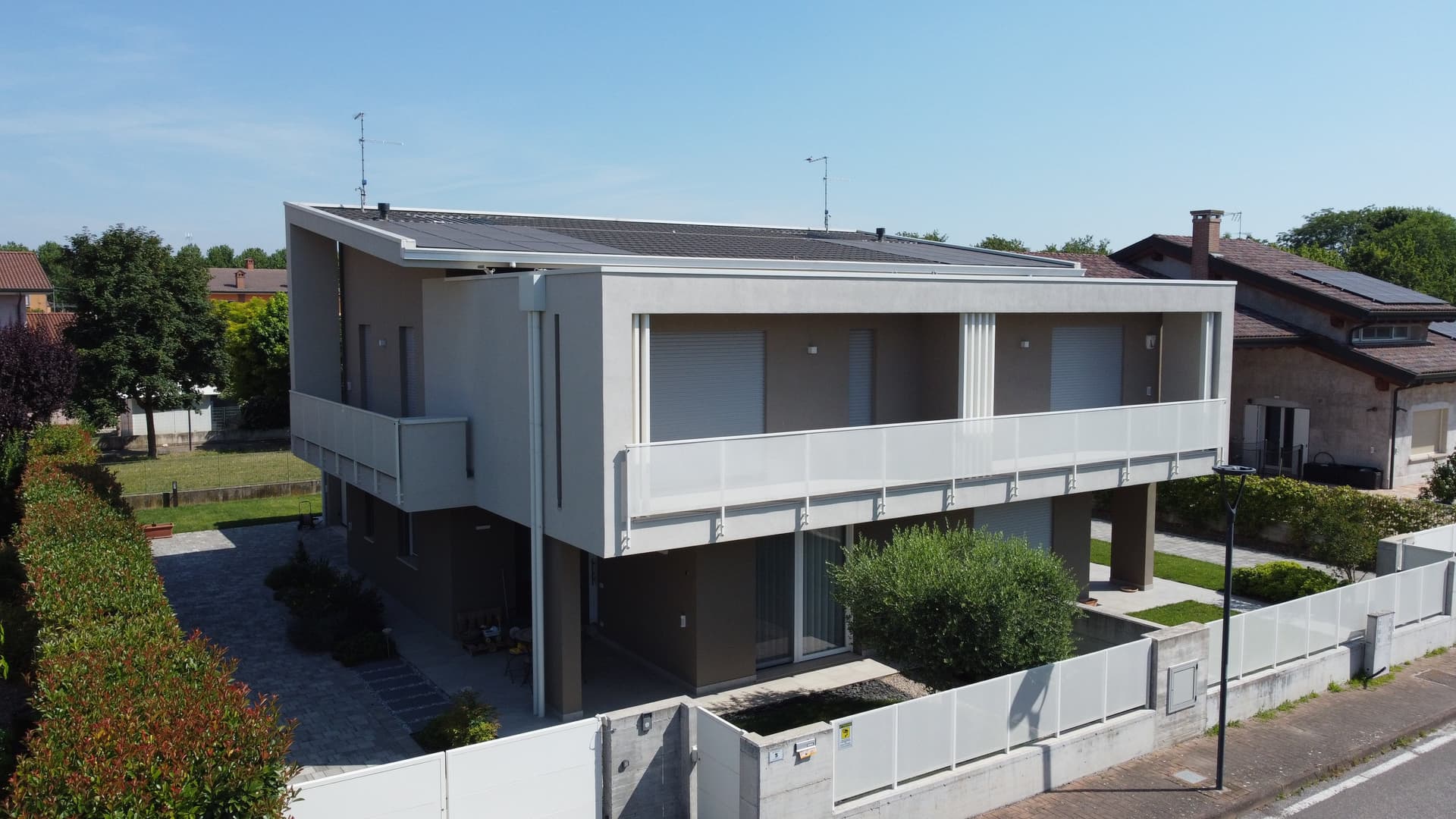
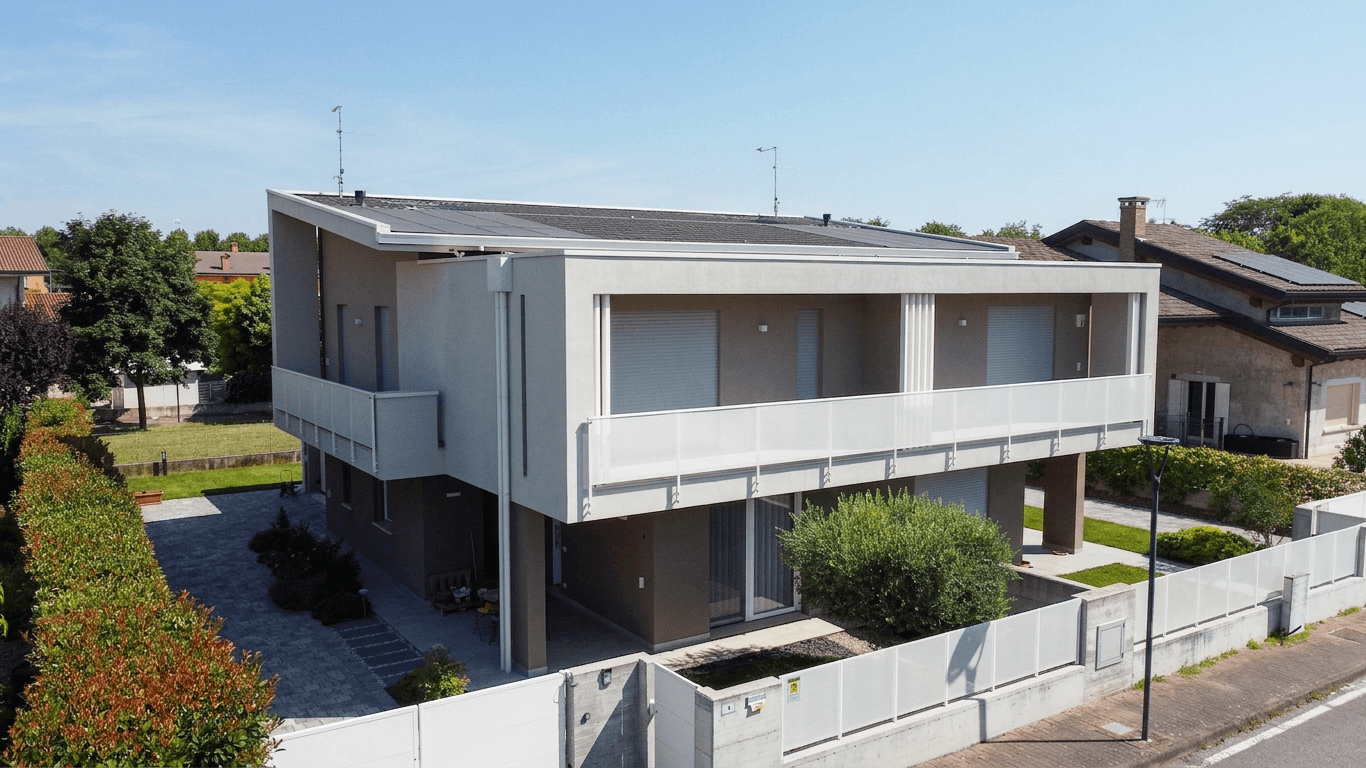
Post-processing is where you can add the most warmth to vacant property photos. Slightly warm white balance (5800K-6200K), lifted shadows, and a bright and airy editing style transform cold, empty rooms into inviting spaces. Twilight's AI presets are particularly effective here --- the Bright and Airy preset analyzes each room individually and applies warming adjustments that make vacant spaces feel livable.
Photographing Each Room Type When Empty
Different rooms present different challenges when vacant. Here is how to approach each one.
Living Room
The living room is typically the largest empty space and the most difficult to photograph without furniture. Shoot from a corner to maximize the sense of depth. Feature the fireplace if there is one. If the room has a view, position yourself so the window view is prominent. Consider the bright and airy edit style to make the space feel open and welcoming rather than cavernous.
Kitchen
Kitchens are actually one of the easier rooms to photograph vacant because the built-in features --- cabinets, countertops, appliances, backsplash --- provide substantial visual interest. Shoot from the entry angle that shows the most counter and cabinet space. Open upper cabinets if they have glass fronts. Turn on under-cabinet lighting. Clean the countertops until they gleam.
Bedrooms
Empty bedrooms are the hardest rooms to differentiate from each other. Without a bed, they all look like the same blank box. Use window light and window views to distinguish each bedroom. Feature closets (open the doors and light them). If one bedroom has a particularly nice view, crown molding, or an en-suite bathroom visible from the room, make that feature the focus.
Bathrooms
Like kitchens, bathrooms have enough built-in features to photograph well when vacant. Clean everything until it sparkles. Add a set of folded white towels and a small plant if possible. Shoot to feature the shower, tub, or vanity as the focal point. Turn on vanity lighting.
Dining Room
An empty dining room without a table can look purposeless. If the room has a chandelier, built-in hutch, or bay window, feature that element prominently. Without these, shoot from an angle that shows the room's connection to the kitchen or living space, emphasizing flow rather than the empty floor.
Room Size Perception
Studies show that buyers consistently underestimate room sizes in photos of vacant rooms by 15-25% compared to their actual dimensions. This is why it is important to include as many reference cues as possible --- door frames, light switches, windows, and built-in features all help the viewer unconsciously gauge scale.
When Virtual Staging Makes Sense vs AI Enhancement
One of the most common questions with vacant properties is whether to virtually stage the photos or simply enhance them with editing. Both approaches have their place, and the right choice depends on the property, the market, and the budget.
AI Photo Enhancement
AI enhancement --- adjusting exposure, white balance, contrast, and style --- improves every vacant property photo. It makes the space look its best without adding anything that is not physically there. This approach:
- Costs significantly less per image than staging
- Applies to every photo in the listing (exteriors, interiors, details)
- Has zero ethical or legal disclosure requirements
- Delivers results in seconds with tools like Twilight
- Creates a consistent look across the entire listing
For properties that are partially furnished, have strong architectural features, or are in markets where buyers expect to see the actual space, AI enhancement is often sufficient on its own.
Virtual Staging
Virtual staging adds furniture and decor to empty room photos, helping buyers visualize how they might live in the space. This approach makes sense when:
- The property is completely vacant with no built-in focal points
- Key rooms (living room, primary bedroom) lack any visual interest without furniture
- The listing price justifies the additional cost
- Competing listings in the same price range are using staged photos
- The target buyer demographic needs help imagining the space
For a detailed comparison of these approaches, including costs, quality considerations, and legal requirements, see our complete virtual staging vs photo editing guide.
The Best Approach: Both
The most effective strategy for vacant properties combines both techniques:
- Apply AI enhancement to every photo for consistent quality, brightness, and warmth
- Virtually stage the 3-5 most important rooms where furniture would have the biggest impact
- Include both staged and original versions of staged rooms for MLS compliance
This layered approach gives you the best of both worlds: a beautiful, consistent listing with key rooms that help buyers connect emotionally with the space. Learn more about streamlining this workflow in our guide to editing real estate photos with AI.
Composition Rules for Vacant Spaces
Good composition becomes even more critical when you do not have furniture to guide the viewer's eye. These principles will help you create stronger images in empty rooms.
Lead With Lines
In vacant rooms, the strongest compositional lines come from the architecture itself: where walls meet the floor, where the ceiling meets the walls, the edges of doorways, and the lines of built-in cabinetry. Use these lines to lead the viewer's eye from foreground to background.
Find Symmetry
Empty rooms often reveal symmetrical elements that furniture would normally obscure --- centered windows, matching built-in shelves, symmetrical doorways. When you find symmetry, use it. A perfectly centered, symmetrical composition in a vacant room feels intentional and architectural rather than empty.
Create Depth With Layering
Even without furniture, you can layer your compositions by shooting through doorways, including foreground elements like counter edges or wall corners, and showing multiple rooms in a single frame. Depth is what separates a compelling architectural photo from a flat snapshot of an empty room.
For a comprehensive deep dive into composition principles, review our guide on real estate photo composition rules.
Equipment Tips for Vacant Property Shoots
A few specific equipment considerations can improve your vacant property photography.
Wide-Angle Lens (16-24mm on Full Frame)
A wide-angle lens is always recommended for real estate, but it is especially important in vacant rooms where you need to show as much of the space as possible. The wider perspective also exaggerates depth, making rooms feel larger. Be careful not to go too wide --- ultra-wide angles (below 14mm) distort proportions and make rooms look unrealistic.
Tripod (Non-Negotiable)
Every vacant property shot should be on a tripod. Without furniture to stabilize the composition visually, any camera shake or tilting becomes immediately apparent on bare walls and empty floors. A tripod also allows you to shoot at lower ISOs with longer exposures, producing cleaner images with more detail in shadows.
External Flash or Reflector
Vacant rooms need more fill light than furnished rooms. Pack a speedlight for bounce flash and a collapsible reflector for redirecting natural light into dark areas. These tools are the difference between a flat, shadowless room and one with pleasing, dimensional light.
Putting It Together
Photographing vacant properties well requires more deliberate technique than shooting furnished homes, but the results are worth the effort. To recap the key strategies:
- Shoot from corners at a lower height to maximize depth and dimension
- Feature architectural elements as focal points in every room
- Maximize natural light and supplement with bounce flash where needed
- Clean obsessively and add minimal styling touches
- Edit for warmth using bright and airy presets or warm white balance
- Combine AI enhancement with selective virtual staging for the strongest possible listing
Vacant properties do not have to look lifeless in photos. With the right techniques and smart post-processing, you can create listing photos that help buyers see not just the empty rooms, but the home those rooms can become.
Related Articles
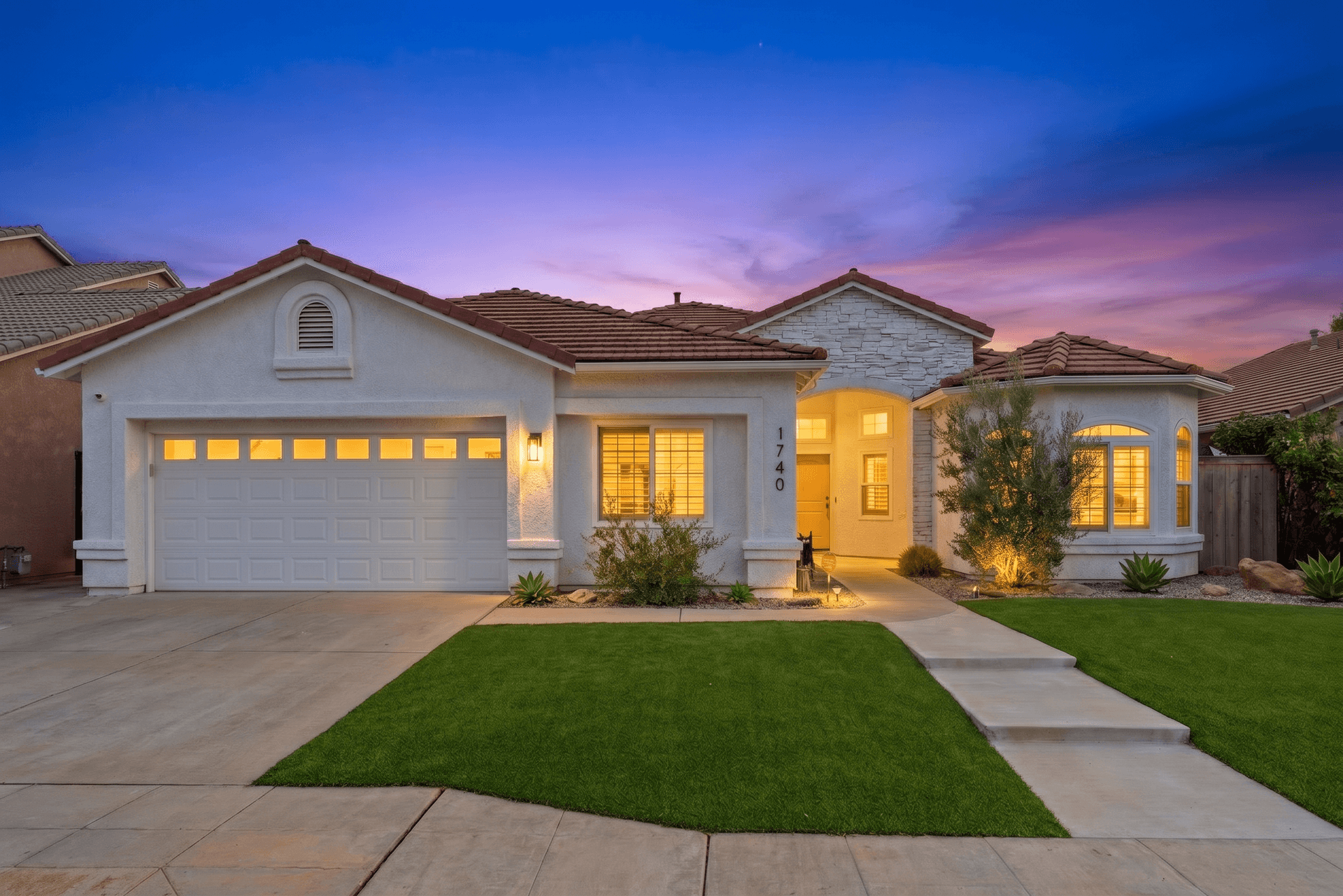
How to Write AI Prompts for Real Estate Photo Editing: A Practical Guide
The exact prompt patterns that produce reliable, professional edits for listing photos. Templates for day-to-dusk, sky replacement, decluttering, exposure correction, and more.
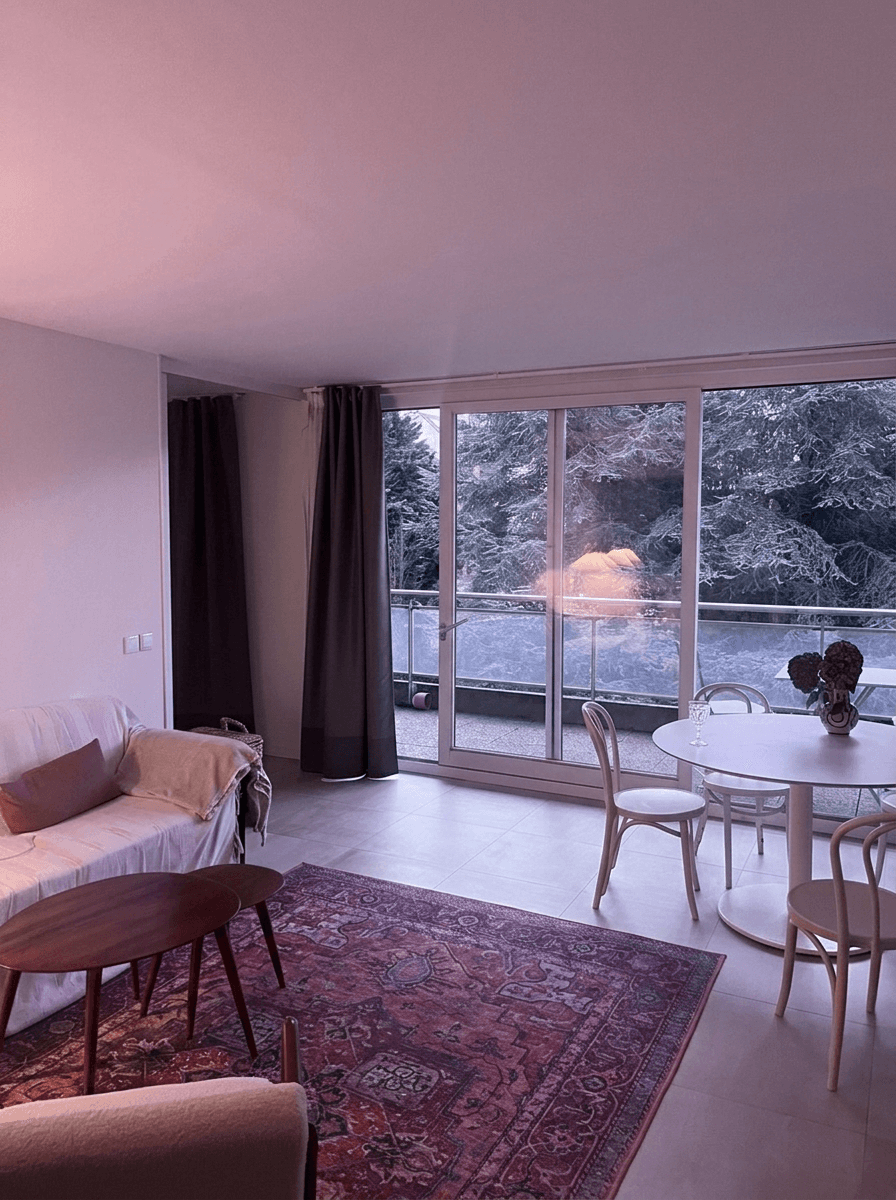
White Balance and Color Correction for Real Estate Photos: Fix Bad Lighting Fast
Fix yellow casts, mixed lighting, and color issues in real estate photos. Learn manual and AI techniques for accurate, appealing color in listings.
The Real Estate Agent's No-Nonsense Guide to AI Photo Editing
A plain-English guide to AI photo editing for real estate agents. Learn the five essential edits, avoid common mistakes, and get professional listing photos in 10 minutes flat.