Luxury Real Estate Photography: Editing Techniques That Match the Price Tag
Elevate luxury listing photos with professional editing techniques. Learn the visual standards for high-end real estate and how AI editing delivers them.
Luxury real estate operates by different rules. Buyers at the $1 million+ level have expectations shaped by architectural magazines, luxury hotel marketing, and years of exposure to the highest-quality visual content. When they scroll through listing photos, they are not just evaluating the property --- they are evaluating whether the marketing matches the price tag. Photos that look "fine" for a $300,000 home look unacceptable for a $3 million one.
This guide covers the editing standards, techniques, and workflows specific to luxury real estate photography. Whether you are an agent marketing a high-end listing or a photographer building a luxury portfolio, these are the visual benchmarks that separate premium listing photos from everything else.
What Makes Luxury Real Estate Photography Different
Luxury photography is not just "regular photography but better." It has fundamentally different objectives, standards, and expectations.
Volume of Coverage
A standard residential listing might have 25-30 photos. A luxury listing typically requires 40-60 or more. Every room deserves multiple angles. Detail shots of architectural features, finishes, and fixtures are expected, not optional. Outdoor spaces --- pools, patios, gardens, views --- require as much coverage as the interior.
Technical Precision
Luxury buyers notice details that standard buyers do not. A slight yellow color cast, a slightly overexposed window, a composition that cuts off a millimeter of crown molding --- these imperfections that pass unnoticed in standard listings are immediately apparent to luxury buyers and their agents.
Emotional Storytelling
Standard listing photos document a property. Luxury listing photos tell a story. The twilight exterior suggests a glamorous evening. The kitchen photo evokes a dinner party. The primary suite invites relaxation. Every image should trigger an aspirational emotional response.
Competitive Context
In the luxury market, your listing competes with properties that have had five-figure marketing budgets. Professional staging, architectural photographers, cinematography, and designer-grade editing are common. Your photos need to hold their own in this context.
The Luxury Buyer's Visual Expectations
Understanding what luxury buyers expect from listing photos helps you deliver at the right level.
Magazine-Quality Presentation
Luxury buyers are accustomed to the visual quality of Architectural Digest, Robb Report, and luxury hotel websites. Their baseline for "good" photography is much higher than the general market. Photos should look like they could appear in a design magazine, with impeccable composition, perfect exposure, and sophisticated color treatment.
Precise, Accurate Color
Color accuracy is more critical in luxury listings for two reasons. First, luxury finishes --- Italian marble, designer paint colors, custom cabinetry --- are specified precisely by the homeowner, and inaccurate color misrepresents their investment. Second, luxury buyers are more visually discriminating and will notice (and be put off by) color casts that standard buyers might overlook.
Architectural Integrity
Luxury homes often feature significant architectural detail: coffered ceilings, custom millwork, statement staircases, floor-to-ceiling windows. Photos must capture and celebrate these elements. Composition should emphasize symmetry, clean lines, and the relationship between architectural elements.
Lifestyle Context
The best luxury listing photos suggest how the buyer will live in the space. A kitchen photo should make you think about hosting. A patio photo should make you think about relaxing with a glass of wine. A home theater photo should suggest movie nights. This subtle lifestyle messaging is what separates luxury marketing from standard documentation.
Exterior Mastery: Twilight, Aerial, and Grand Entrances
The exterior is where luxury listing photography must make its strongest impression.
Twilight: The Non-Negotiable
Every luxury listing needs at least one twilight exterior image, and ideally 2-3 from different angles. Twilight photography is the universally recognized visual language of luxury real estate. It communicates prestige, drama, and aspiration in a single frame.
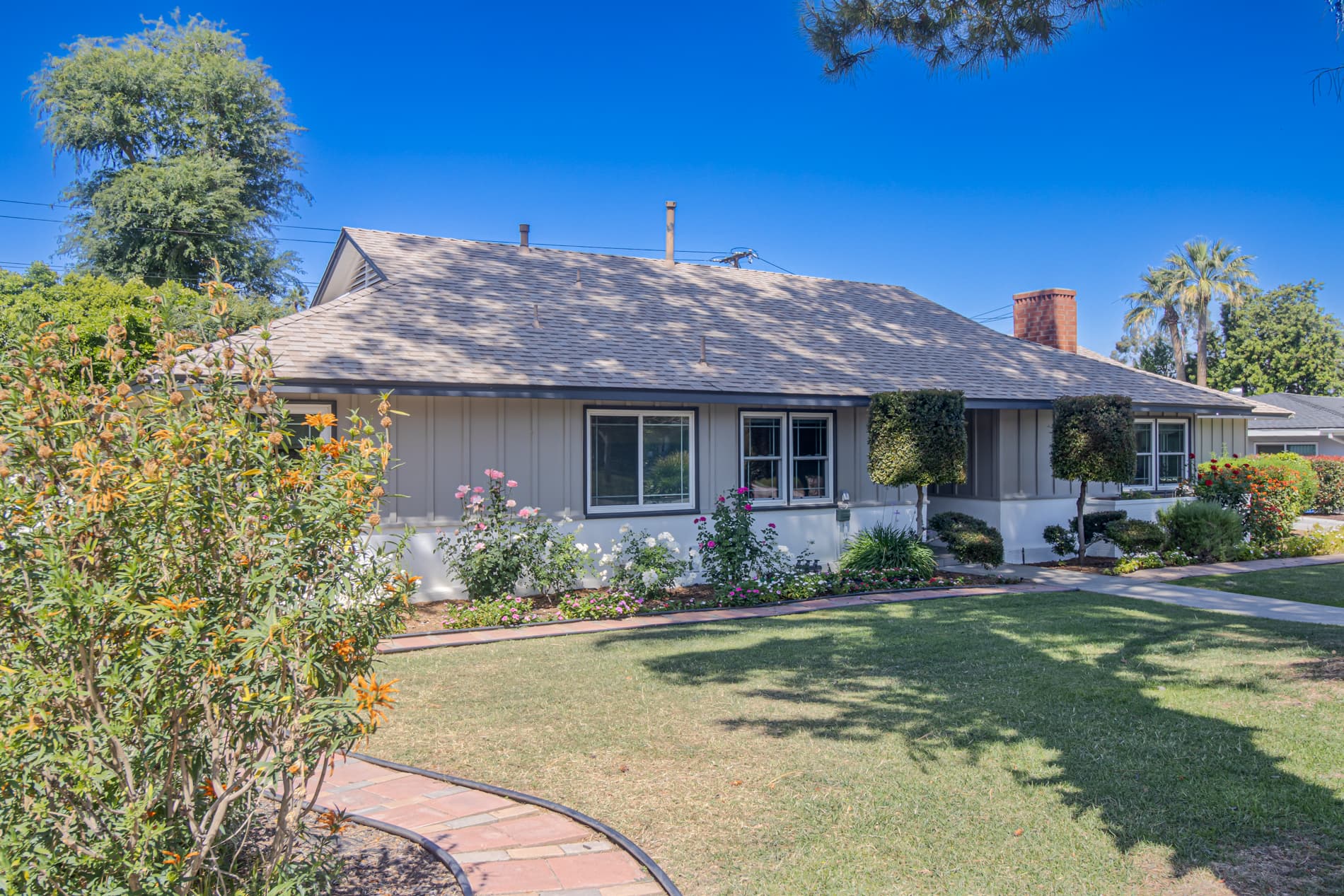
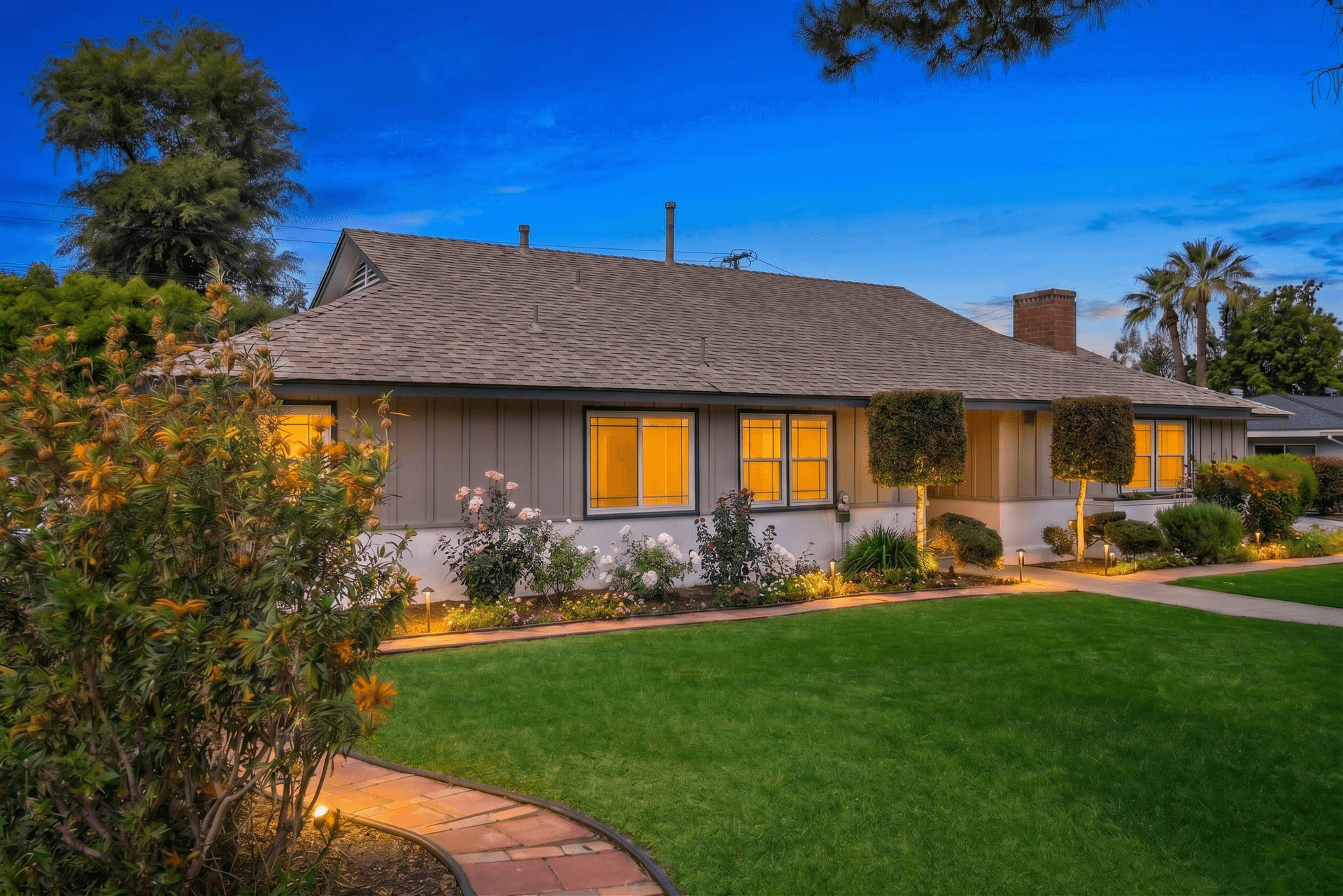
AI twilight conversion makes it possible to create multiple twilight angles from a single daytime shoot. Convert the front exterior, the rear (showing the pool or garden), and any particularly striking architectural angle. The cost is minimal and the impact on listing presentation is dramatic.
For a comprehensive guide to twilight techniques, see our twilight photography guide.
The Grand Entrance
Luxury homes have entries designed to impress. Capture the approach: the driveway, the porte-cochère, the front door, the entry foyer. This sequence of images creates a narrative arc --- arriving at the property, approaching the front door, stepping inside --- that mirrors the buyer's actual experience during a showing.
Aerial and Elevated Perspectives
Aerial photography (via drone) is expected in luxury listings. It shows the property's relationship to its surroundings, the scale of the estate, and features like pools, tennis courts, and gardens that cannot be appreciated from ground level.
Aerial Editing
Aerial photos benefit enormously from sky replacement and color enhancement. The sky occupies a larger portion of the frame in aerial shots, so an overcast sky is even more impactful. AI sky replacement ensures your aerial images have the dramatic backdrop they deserve.
Interior Editing for Luxury Spaces
Each room type in a luxury home has specific editing considerations.
Living and Great Rooms
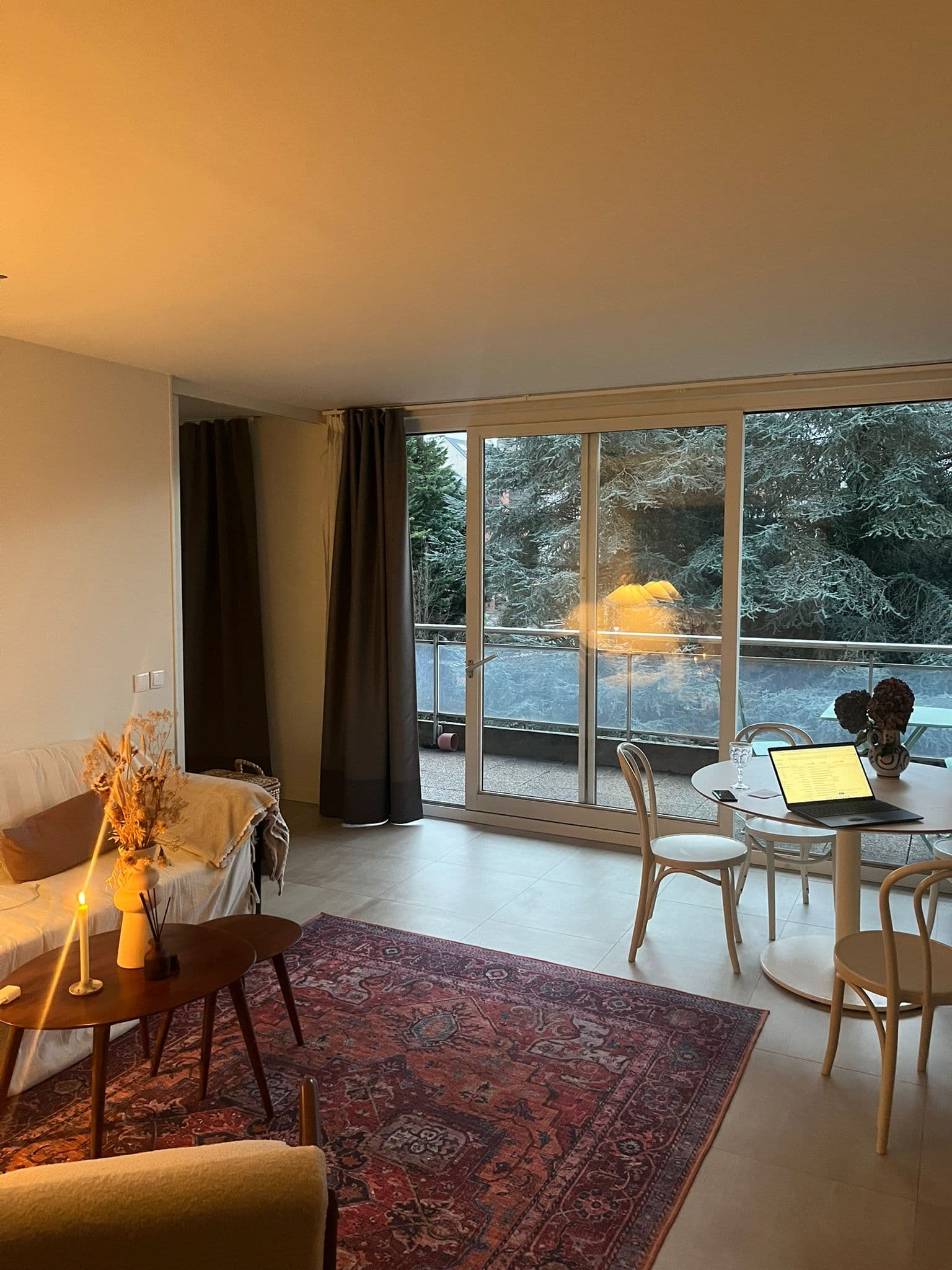
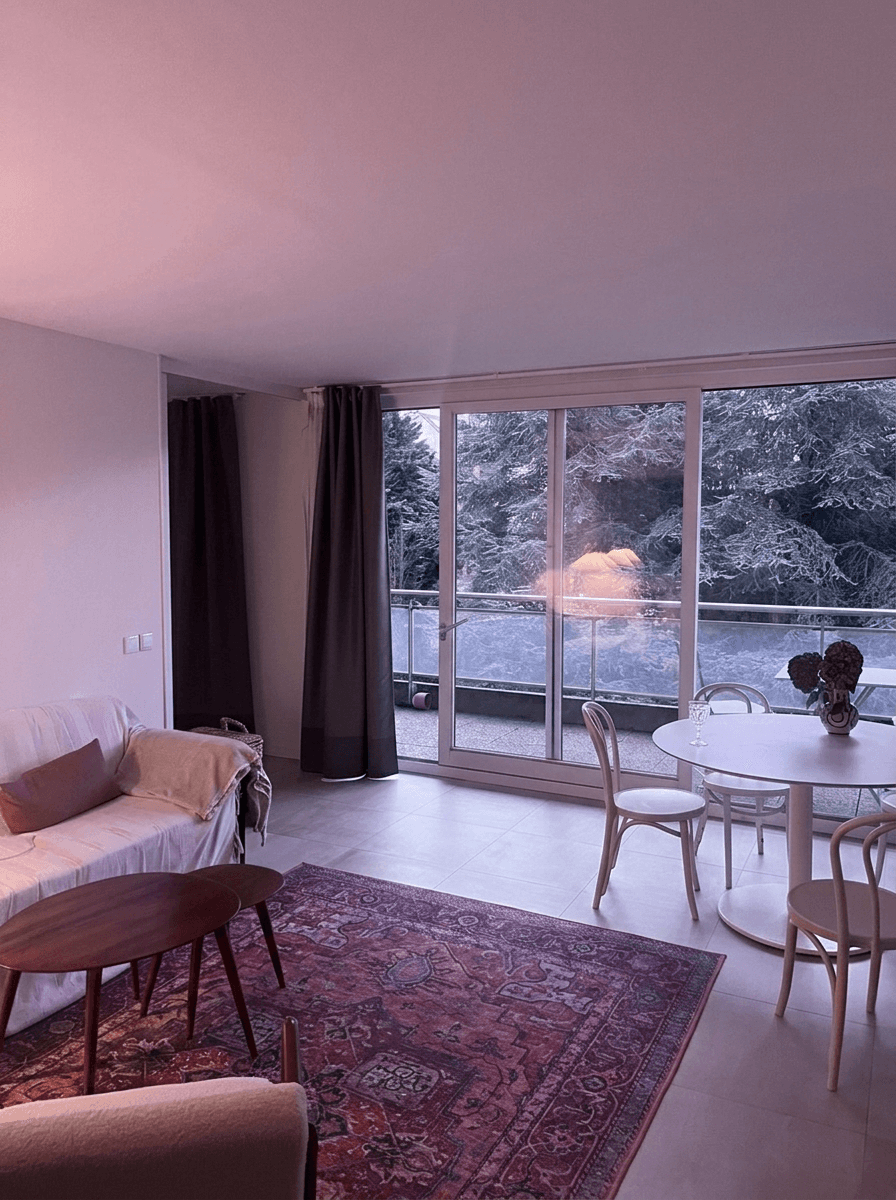
Editing approach: Bright and balanced with subtle warmth. The emphasis is on showing the volume of the space --- high ceilings, generous proportions, sight lines through to adjacent rooms. HDR enhancement is critical for rooms with large windows; the view should be visible without the interior being compromised.
Chef's Kitchens
Editing approach: Clean, precise color that shows materials accurately. White marble should look white, not cream. Stainless steel should be neutral. Wood tones should be warm but not orange. The Bright and Airy preset with a focus on color accuracy works well.
Detail shots: Capture and edit close-ups of appliance brands (Sub-Zero, Wolf, Miele), countertop material, custom cabinet hardware, and special features like pot fillers or built-in espresso machines.
Primary Suites
Editing approach: Warm and inviting, slightly softer than common areas. The primary suite should feel like a retreat. A touch of warmth in the color grading conveys comfort and luxury without looking over-processed.
Must-have shots: Wide bedroom view, en-suite bathroom (often the most impressive room in a luxury home), walk-in closet, view from the bedroom window.
Spa Bathrooms
Editing approach: Clean, cool, and precise. Luxury bathrooms are dominated by hard surfaces --- marble, tile, glass, chrome --- that demand color accuracy. A slight cool tone can enhance the spa-like feel. Ensure white tiles are truly white and stone surfaces show their natural coloring.
Home Theaters, Wine Cellars, and Specialty Rooms
Editing approach: These rooms should feel dramatic and atmospheric. Slightly moodier editing works well --- you do not need the same brightness as a kitchen or bedroom. Let the room's own lighting (can lights, accent lights, backlit displays) create the mood, and edit to enhance rather than override it.
Details That Differentiate: Pool, Kitchen, Bath, View
In luxury listings, detail photography separates amateur from professional presentation.
Pool and Water Features
Pool photography benefits from vibrant color enhancement --- the water should look inviting, the pool deck should look clean and warm. Twilight conversion on a pool shot, with the underwater lights glowing and the house lit behind, is one of the most impactful images in any luxury listing.
View Photography
If the property has a significant view --- ocean, mountain, cityscape --- it deserves dedicated photography and careful editing. HDR processing is essential to balance the bright exterior view with the darker interior framing. The view should be a clear focal point, not a blown-out white window.
Architectural Details
Crown molding, custom woodwork, designer fixtures, imported tile --- these details justify the price tag, and they deserve their own photos. Edit detail shots for maximum clarity and accurate color. A tight crop with perfect focus and true color tells the buyer that this home was built with exceptional materials and craftsmanship.
The Declutter Standard in Luxury
Luxury listings have a higher declutter standard than standard properties. Even tasteful personal belongings can undermine the catalog-clean aesthetic that luxury buyers expect.
The goal is a space that looks designed rather than lived in. Think of a luxury hotel suite: every item is intentional, surfaces are clean, and the space feels curated. AI decluttering can help achieve this standard by removing the everyday items that accumulate even in the most beautifully maintained homes.
Key areas to declutter in luxury listings:
- Kitchen counters (remove all appliances except design-statement items)
- Bathroom vanities (remove all personal care items)
- Nightstands and desks (remove all personal items)
- Refrigerator doors (remove magnets and notes)
- Bookshelves (thin to create breathing room)
Color Grading for Luxury: Warm vs. Cool vs. Neutral
The color grade you choose sets the emotional tone for the entire listing. Luxury photography generally falls into three schools.
Warm and Inviting
Best for: Traditional architecture, Mediterranean style, rustic luxury, mountain homes, homes with extensive wood and stone
Characteristics: Slightly warm color temperature, rich wood tones, golden highlights. Feels inviting and established.
Custom prompt example: "Enhance with warm, inviting tones. Rich wood colors, golden highlights, soft warm shadows. Magazine quality with a welcoming, luxurious feel."
Cool and Contemporary
Best for: Modern architecture, minimalist interiors, concrete and glass construction, urban penthouses
Characteristics: Neutral to slightly cool color temperature, crisp whites, clean grays, subtle blue undertones. Feels sleek and sophisticated.
Custom prompt example: "Clean, contemporary color grading. Crisp whites, neutral grays, subtle cool tones. Architectural magazine quality with a modern, sophisticated feel."
Neutral and Natural
Best for: Most luxury properties; the safest choice when unsure
Characteristics: Accurate, true-to-life color with no detectable color cast. Lets the property's actual materials and finishes speak for themselves.
Custom prompt example: "Natural, accurate color with balanced exposure. Magazine quality editing that looks polished but not over-processed. True-to-life material colors."
Consistency Is Key
Choose one color grading approach and apply it to every interior photo in the listing. Switching between warm kitchens and cool bedrooms creates a disjointed experience. AI presets make this consistency effortless --- apply once, export all.
Luxury Listing Photo Checklist
Use this checklist to ensure your luxury listing has complete, premium-quality coverage.
Exterior (8-12 photos)
- Front exterior, straight-on
- Front exterior, three-quarter angle
- Twilight conversion (front)
- Rear exterior
- Twilight conversion (rear, if pool or significant outdoor area)
- Aerial / drone overview
- Aerial detail (pool, grounds)
- Entry approach / driveway
- Grand entrance / front door
- Garage (if notable)
- Side elevation (if architecturally significant)
- Street / neighborhood context
Interior - Living Spaces (10-15 photos)
- Living room wide (primary angle)
- Living room secondary angle
- Living room detail (fireplace, built-in, view)
- Dining room wide
- Dining room detail
- Kitchen wide (primary angle)
- Kitchen secondary angle
- Kitchen detail (appliances, island, pantry)
- Family room / den
- Home office / study
- Hallways / transitions (if architecturally notable)
Interior - Private Spaces (8-12 photos)
- Primary bedroom wide
- Primary bedroom secondary angle or detail
- Primary bathroom wide
- Primary bathroom detail (shower, tub, vanity)
- Primary closet
- Secondary bedrooms (1 each)
- Secondary bathrooms (1 each)
- Laundry room (if notable)
Specialty Spaces (4-8 photos)
- Home theater
- Wine cellar
- Gym / fitness room
- Game room / bonus room
- Mudroom / utility spaces (if notable)
Outdoor Living (6-10 photos)
- Pool (wide shot)
- Pool (detail / twilight)
- Outdoor kitchen / BBQ area
- Covered patio / loggia
- Fire pit / outdoor fireplace
- Garden / landscaping
- View (if applicable)
- Tennis court / sport court (if applicable)
Total target: 40-60 photos depending on property size and features.
The luxury real estate market demands photography that matches the caliber of the properties themselves. By combining thoughtful composition, strategic editing, and consistent quality standards, you create listing presentations that do justice to exceptional homes and the agents who market them.
For more editing techniques, explore our HDR photography guide and our twilight photography guide.
Related Articles
Luxury Real Estate Photography: How to Shoot and Edit High-End Listings
Master the art of luxury real estate photography with techniques for capturing high-end homes. Covers detail shots, twilight exteriors, architectural features, lifestyle staging, and premium editing workflows.
How to Write AI Prompts for Real Estate Photo Editing: A Practical Guide
The exact prompt patterns that produce reliable, professional edits for listing photos. Templates for day-to-dusk, sky replacement, decluttering, exposure correction, and more.
The Real Estate Agent's No-Nonsense Guide to AI Photo Editing
A plain-English guide to AI photo editing for real estate agents. Learn the five essential edits, avoid common mistakes, and get professional listing photos in 10 minutes flat.