AI Image Models Compared for Real Estate: Nano Banana, Flux, SDXL, DALL-E 3, and Imagen
AI image models for real estate photo editing, compared: Nano Banana, Flux, SDXL, DALL-E 3 and Imagen 3, tested on the edits agents actually need.
If you have used more than one AI photo editor in the last year, you have probably noticed something strange: two tools that both claim to do "AI editing" can produce wildly different results on the same listing photo. One nails the day-to-dusk conversion in a single pass. Another invents a second moon, warps the rooflines, and turns the lawn purple.
That is because "AI photo editing" is not one thing. Underneath every editor is a specific image model, and in 2026 the model choice is the single biggest factor in output quality. This article compares the five image models that power most real estate editing platforms today: Google Nano Banana Pro, Black Forest Labs Flux, Stable Diffusion XL (SDXL), OpenAI DALL-E 3, and Google Imagen 3.
AI photo editing for real estate: why the model matters
AI photo editing for real estate is not one capability. Day-to-dusk, decluttering, and virtual staging stress different parts of a model, which is why the same editor can nail a dusk sky and smear a hardwood floor. The rest of this page is the model-by-model split for those jobs.
TL;DR: Which Model Should You Use for Real Estate?
| Use case | Best model | Why |
|---|---|---|
| Day-to-dusk conversion | Nano Banana Pro | Best at preserving architecture while changing lighting |
| Sky replacement | Nano Banana Pro / Flux | Both handle complex skylines without ghosting |
| Object removal (declutter) | Nano Banana Pro | Cleanest fill on hardwood floors and furniture-heavy rooms |
| Virtual staging | Flux / SDXL | Strongest at adding consistent furniture |
| Style transfer (editorial look) | DALL-E 3 | Best at narrative lighting changes |
| HDR-like exposure rebalance | Imagen 3 | Cleanest highlight recovery |
Most real estate platforms, including Twilight, default to Nano Banana Pro for the editing-style transformations agents do most often. Generative-from-scratch tools (DALL-E 3, Imagen) are stronger for stylistic illustration than for editing real estate inventory.
What Makes a Model Good for Real Estate Photos?
Real estate editing is not the same task as "generate an image of a house." Agents are working from a real photo of a real property and need the AI to change one thing while leaving everything else untouched. Specifically, a good real estate model must:
- Preserve geometry. Window mullions, roof angles, brick coursing, hardwood plank lines: all of these must stay perfectly straight. Models that "hallucinate" geometry are unusable for listing photos because the home no longer looks like itself.
- Respect materials. Hardwood, marble, brushed steel, and granite each have distinctive textures. A model that turns oak floors into vinyl, or marble countertops into resin, will fail an agent's eye instantly.
- Hold proportions. Rooms must feel like the same size after editing. Some models subtly stretch interiors to make them look "bigger." That produces listings buyers feel cheated by during the in-person tour.
- Handle window blow-out. Most real estate photos have windows that are 4–6 stops brighter than the interior. Bringing back the view without crushing the interior is a real-estate-specific stress test.
- Deliver predictable looks. A photographer editing 800 photos per week needs the same input to produce a consistent output. Models with high stochastic variation (a different result every time) are operationally unusable.
The Models, Tested
We ran each model through the same five tasks on the same source photo: a daytime exterior of a 4-bedroom suburban home with a partly cloudy sky, a paved driveway, and visible interior lights through the front windows.
Nano Banana Pro (Google DeepMind)
Nano Banana Pro (accessed via fal.ai and other API providers) is Google's image-editing-tuned model. It accepts a source image plus a natural-language instruction and returns the edited image directly. It is not a generative-from-scratch model; it is an editing model, and for real estate work, that distinction matters.
- Day-to-dusk: Excellent. Window glow appears naturally, sky transitions smoothly to indigo and orange, exterior fixtures stay where they were.
- Sky replacement: Excellent. Handles tree branches against the sky cleanly. Edge cases (chain-link fences, telephone wires) sometimes get smoothed.
- Decluttering: Best in class. Removes objects from hardwood and tile without leaving the "smudge" pattern other models produce.
- Virtual staging: Good but not great. Furniture placement is realistic, but it occasionally invents a doorway or window that was not there.
- Geometry preservation: Best in class.
- Speed: About 30 seconds per edit at 1K in Twilight's pipeline (median processing time); 4K takes about twice as long.
Flux (Black Forest Labs)
Flux comes from a team of ex-Stability AI researchers and is widely used for editing, fine-tuning, and ControlNet-style guided generation. Flux Pro is the production model; Flux Dev is the open-weights variant.
- Day-to-dusk: Good. Slightly less stable than Nano Banana on the sky gradient.
- Sky replacement: Excellent. Particularly strong at moody, cinematic skies.
- Decluttering: Good. Sometimes leaves slight texture inconsistency on the fill.
- Virtual staging: Excellent. Probably the strongest model for adding furniture to vacant rooms.
- Geometry preservation: Good. Occasionally "drifts" on windows.
- Speed: 8–20 seconds per edit.
Stable Diffusion XL (SDXL) and SDXL-derived models
SDXL is the most widely deployed open-weights image model. Most "budget" AI photo editors are SDXL with a real-estate-tuned LoRA on top. The base model is generic; the quality of the LoRA determines everything.
- Day-to-dusk: Variable. Highly dependent on the LoRA.
- Sky replacement: Good with the right LoRA, mediocre without.
- Decluttering: Mediocre to good. Inpainting workflows work, but require multiple passes.
- Virtual staging: Good with a furniture LoRA. Quality varies between vendors.
- Geometry preservation: Weakest of the five. Lines drift, especially in wide-angle interiors.
- Speed: 5–15 seconds, depending on infrastructure.
DALL-E 3 (OpenAI)
DALL-E 3 is exposed inside ChatGPT and via OpenAI's API. It is a generative-from-scratch model, strong at producing images from a prompt, but it does not natively edit a source image the way Nano Banana does. Some platforms simulate editing by re-prompting against the original, with mixed results.
- Day-to-dusk: Looks beautiful, but often looks like a different house. Identity preservation is weak.
- Sky replacement: Mediocre when applied to a real photo (loses ground-level detail).
- Decluttering: Not its strength.
- Virtual staging: Not its strength on real photos.
- Geometry preservation: Weak in editing scenarios.
- Speed: 15–30 seconds.
DALL-E 3 is exceptional for concept visuals (mood boards, marketing graphics) but is the wrong tool for editing inventory photos.
Imagen 3 (Google)
Imagen 3, available through Google Cloud's Vertex AI, is Google's flagship generation model. Like DALL-E, it is primarily a from-scratch generator and only recently added editing-style capabilities.
- Day-to-dusk: Very good when prompted carefully, but identity drift similar to DALL-E.
- Sky replacement: Excellent on its own, weaker as an edit on existing inventory.
- Decluttering: Usable.
- Virtual staging: Strong from-scratch.
- Geometry preservation: Moderate.
- Speed: 10–25 seconds.
For agents who need to edit real photos, Imagen 3 is the strongest "from-scratch" model on this list but still lags Nano Banana for true editing tasks.
The 'editing' vs 'generation' distinction
If a model is described as text-to-image or generative, it is built to invent images from a prompt. If it is described as image-to-image, edit, or instruction-tuned, it is built to modify an existing photo. For real estate listing work, image-to-image is almost always what you want.
Cost and Operational Differences
| Model | Approx. cost per edit | Open weights? | Hosted by |
|---|---|---|---|
| Nano Banana Pro | $0.04–$0.08 | No | fal.ai, Vertex, others |
| Flux Pro | $0.05–$0.10 | No (Pro), Yes (Dev) | fal.ai, Replicate |
| SDXL + LoRA | $0.005–$0.02 | Yes | Anywhere |
| DALL-E 3 | $0.04–$0.08 | No | OpenAI |
| Imagen 3 | $0.04–$0.10 | No | Google Cloud |
Pricing is for the underlying model API call only. Consumer platforms charge a markup that reflects their UI, prompt engineering, and customer support. A subscription that costs $29/month for 50 edits is paying roughly $0.58 per edit at the consumer level.
Why Most Real Estate Platforms Choose Editing Models
Across the platforms we evaluated, including ours, the convergence on editing-tuned models (Nano Banana Pro, Flux) over generation models (DALL-E, Imagen) is not accidental. The economics of real estate photo editing depend on the agent recognizing the home in the output. If the AI hallucinates a different driveway or a wider porch, the photo is unusable, the credit is wasted, and the agent stops trusting the tool.
That is also why platform-level prompt assembly matters as much as the model. Twilight, for instance, adds real-estate-specific instructions to every one-click edit it sends to Nano Banana, aimed at keeping the home's identity and geometry intact. A generic prompt against a generic model will not produce comparable results, even on the same underlying weights.
Try it free
Transform your first property photo in seconds, no account needed.
What This Means for Agents
You do not have to memorize the model lineup. But it is worth knowing two things when you evaluate a photo editor:
- Ask which model it uses. Reputable tools will tell you. If a vendor refuses to disclose, assume it is base SDXL with a thin wrapper.
- Test on your worst photo, not your best. Difficult photos (strong window blowout, cluttered rooms, complex skylines) separate good models from mediocre ones. A pretty exterior with even lighting will look fine through any model.
Frequently Asked Questions
Which AI image model is best for real estate photo editing in 2026?
For editing real listing photos (sky replacement, day-to-dusk, decluttering, exposure correction), Google Nano Banana Pro is currently the strongest model. For from-scratch virtual staging, Flux Pro is competitive or better.
Is Stable Diffusion good for real estate photos?
Base SDXL is mediocre. With a real-estate-tuned LoRA it can produce good results, but quality varies widely between vendors. Geometry preservation is the persistent weakness.
Can I use ChatGPT (DALL-E 3) to edit listing photos?
You can, but you should not for production listings. DALL-E 3 is a generator, not an editor. It will often produce a similar but different house. It is excellent for marketing concepts, mood boards, and social graphics.
Does the AI model affect how fast I get results?
Yes. Editing-tuned models running on optimized inference infrastructure (like fal.ai) typically return in 10–30 seconds. Generic platforms can take 60+ seconds for the same task.
What model does Twilight use?
Twilight uses Google Nano Banana Pro for image editing, with model selection configurable per environment. The decision was driven by Nano Banana's superior identity preservation and geometric stability on real estate inputs.
Will the model that wins today still win in a year?
Probably not. The image model landscape has flipped roughly every 12 months for the last three years. The good news: a well-built platform abstracts the model behind the workflow, so you should not need to change tools when the underlying model changes.
Related Articles
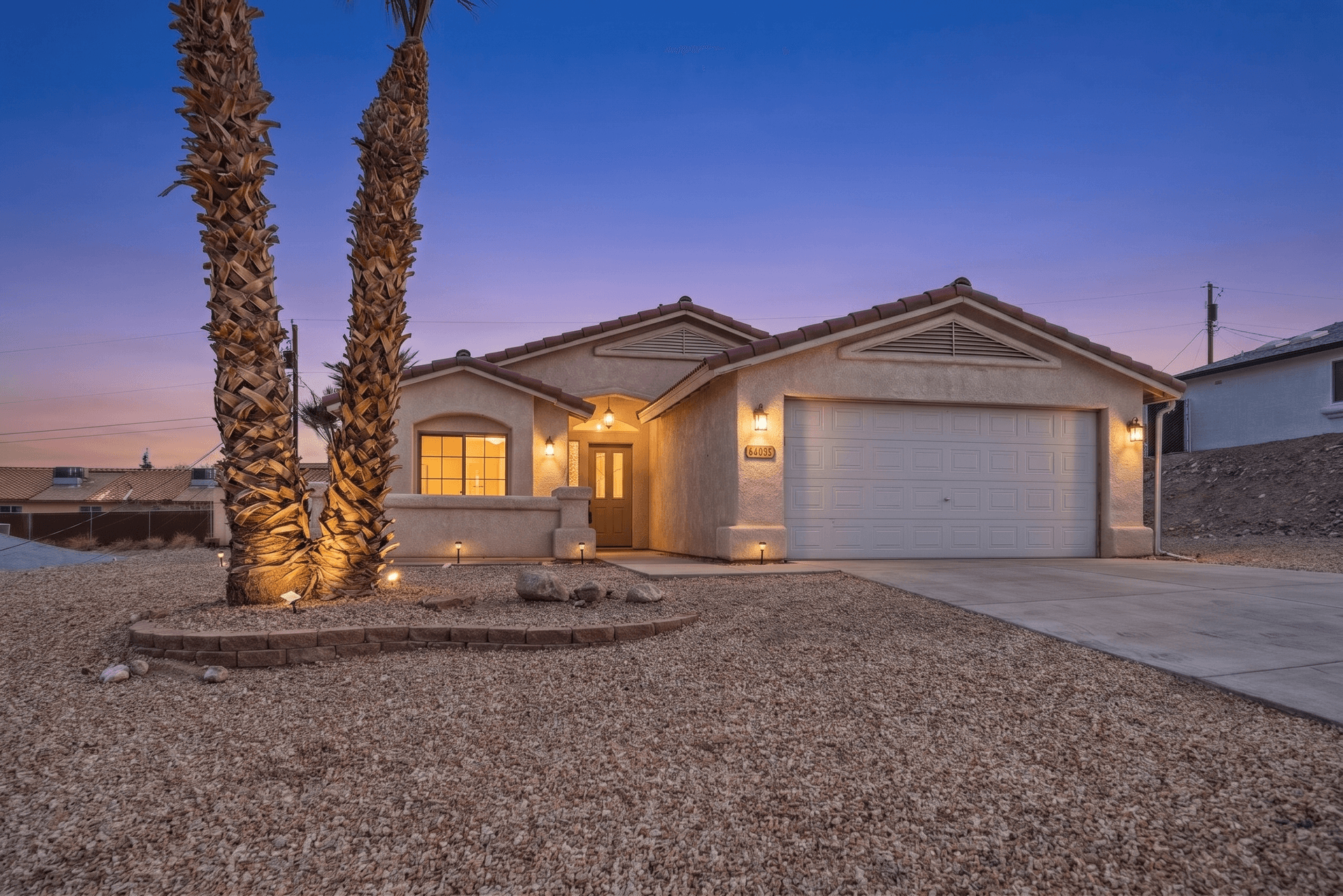
Best Real Estate Photo Editing Software in 2026: Complete Comparison
The best real estate photo editing software in 2026, compared on price, speed and output: Lightroom, Photoshop, outsourcing services and AI editors.
Lightroom vs AI Editing for Real Estate Photos: A Photographer's Honest Comparison
Lightroom vs AI for real estate photo editing, head to head: speed, quality, learning curve, cost, and when to use each in your workflow.
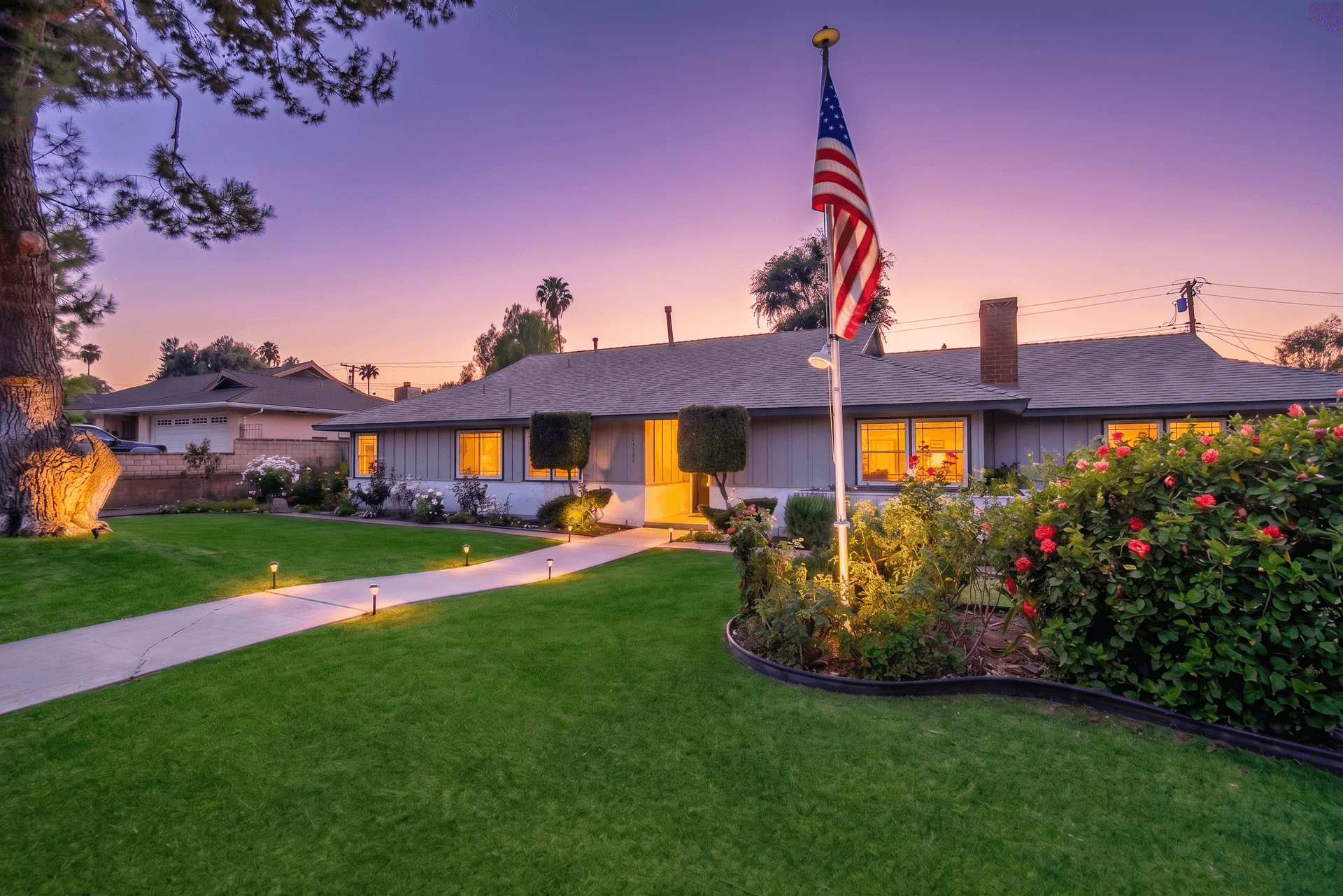
Outsourcing Real Estate Photo Editing vs AI: Which Saves You More in 2026?
Should you outsource real estate photo editing or use AI? Cost per photo, turnaround and quality compared side by side, with when each one makes sense.